 Skip to content


Ready to transform your kitchen in 2026? This guide reveals the 12 most essential indian grocery items every home cook needs for authentic flavors and modern convenience. From timeless staples and aromatic spices to trending snacks and beverages, you will discover how to select the best products and where to buy them. Upgrade your pantry, explore new tastes, and enjoy the benefits of having the right indian grocery items at your fingertips. Get inspired to elevate every meal with ingredients trusted by families and food lovers across the globe.
The Modern Indian Pantry: Trends & Shopping Tips
Modern kitchens are transforming, and so is the way we shop for indian grocery items. In 2026, the pantry is more dynamic than ever, blending tradition with innovation. With new trends emerging, shoppers are rethinking what belongs on their shelves and how they source their favorite ingredients.
Evolving Indian Grocery Trends for 2026
The world of indian grocery items is experiencing a fresh wave of change. Shoppers now prefer health-focused and organic staples, while convenience foods like frozen parathas and ready-to-eat curries are gaining popularity. Regional specialties, once hard to find, are now widely available online.
Digital shopping and home delivery are booming, making it easier to access authentic products. Sustainability is also key, with brands adopting eco-friendly packaging and ethical sourcing. For a deeper look at these shifts, check out the five key trends shaping India's grocery shopping.
How to Choose Quality Indian Grocery Items
Selecting top-quality indian grocery items starts with reading labels for authenticity and country of origin. Freshness is crucial, especially for spices and lentils, so always check packaging dates. Look for trusted certifications like organic or fair trade to ensure quality and ethical sourcing.
Compare brands by taste, consistency, and reviews before buying. Decide whether to buy in bulk for savings or in small quantities for maximum freshness. Following these steps ensures your indian grocery items deliver the best flavors and nutrition.
Where to Buy: Online vs. Local Stores
Finding the right place to shop for indian grocery items depends on your needs. Online supermarkets offer a vast variety, exclusive deals, and home delivery, making them convenient for busy lifestyles. Local ethnic stores provide personalized service and the chance to support your community.
Compare prices, delivery speed, and customer service between options. Reading community recommendations and reviews can help you pick the best source for indian grocery items. Use the table below to summarize the key differences:
| Feature | Online Supermarkets | Local Stores |
|---|---|---|
| Variety | High | Moderate |
| Convenience | Excellent | Good |
| Price | Often lower | Competitive |
| Delivery | Yes | In-person only |
| Community Feel | Limited | Strong |
Shop Indian Groceries Online at Global Food Hub
For a seamless experience when buying indian grocery items, Global Food Hub stands out as the EU’s largest online supermarket for Indian and Asian foods. Here, you will find everything from flour and rice to spices, snacks, and beverages, all from authentic brands.
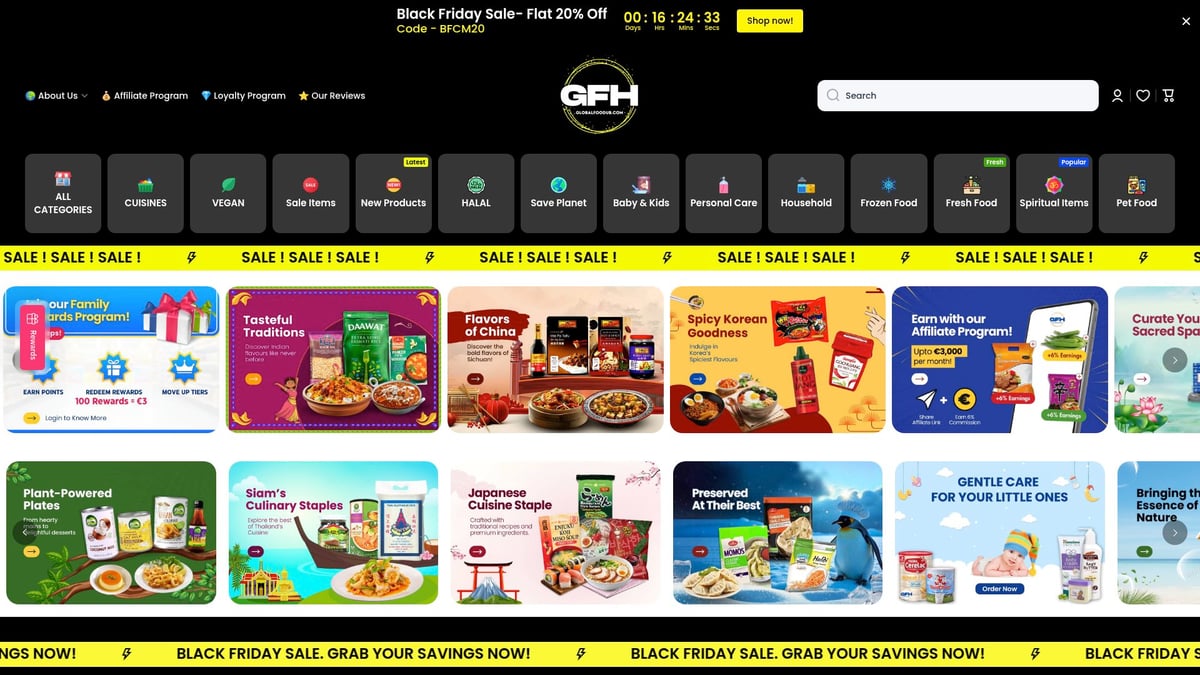
Global Food Hub offers competitive prices, regular discounts, and fast home delivery across Europe. It is ideal for expats, food lovers, and multicultural households who want quality and convenience in one place. Upgrade your kitchen with trusted indian grocery items from Global Food Hub.
12 Essential Indian Grocery Items for 2026
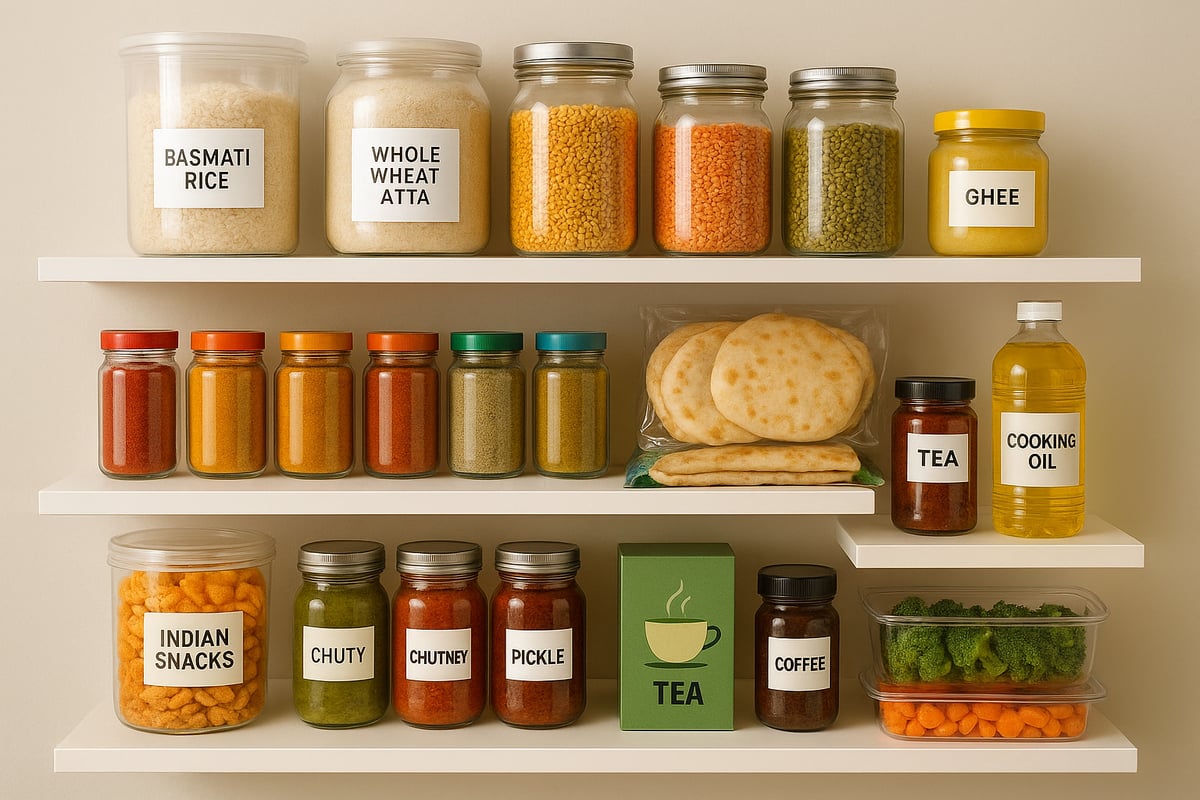
Building a smart pantry starts with the right selection of indian grocery items. Whether you are a seasoned cook or new to Indian cuisine, these essentials will make every meal richer and more authentic. Below, discover the must-have staples, spices, and snacks for a modern kitchen in 2026.
Basmati Rice
Basmati rice stands out among indian grocery items as the ultimate staple for biryanis, pulao, and daily meals. Known for its long grains and aromatic fragrance, this rice is available in organic, aged, and quick-cook varieties.
Popular brands include Daawat, Tilda, and India Gate, with prices ranging from €2 to €6 per kilogram. Basmati is gluten-free, rich in carbohydrates, and easy to digest, making it suitable for diverse diets.
Pros:
- Versatile for both special and everyday dishes
- Distinct flavor and aroma
Cons:
- Needs proper storage to retain freshness
For families, health-conscious cooks, and lovers of Indian food, basmati rice is an essential part of indian grocery items. Store it in airtight containers for maximum quality.
Whole Wheat Atta (Flour)
No list of indian grocery items is complete without whole wheat atta. This flour forms the base for rotis, chapatis, parathas, and puris. Modern options include stone-ground and organic varieties, prized for their high fiber content and positive impact on digestive health.
Top brands like Aashirvaad and Pillsbury offer reliable quality, with prices typically between €1.5 and €3 per kilogram.
Pros:
- Nutritious, supports a vegan or vegetarian lifestyle
- Versatile for daily use
Cons:
- Shorter shelf life if not stored properly
Explore flour and flour products collection for more options. For the freshest results, keep atta in a cool, dry place.
Toor Dal (Split Pigeon Peas)
Among indian grocery items, toor dal is a protein-rich superstar. Essential for dishes like dal, sambhar, and khichdi, it is a cornerstone for vegetarian and vegan diets.
Organic and non-GMO varieties are now widely available, catering to the health-conscious. Leading brands include 24 Mantra and Swad, with prices from €2 to €4 per kilogram.
Pros:
- High protein content
- Fills you up and supports muscle health
Cons:
- Requires soaking and longer cooking times
Meal preppers and families will appreciate its versatility and nutritional value. Store in airtight jars to maintain freshness.
Ghee (Clarified Butter)
Ghee is a traditional fat that brings a rich, nutty flavor to indian grocery items. Used for frying, sautéing, and in desserts, ghee is lactose-free and packed with vitamins A, D, E, and K.
You can find brands like Amul, Patanjali, and Organic India, with prices from €5 to €12 per liter.
Pros:
- High smoke point for cooking
- Adds depth to dishes
Cons:
- Calorie-dense, so use in moderation
Ideal for keto, low-carb, and traditional diets, ghee is best stored in a cool, dark place for extended shelf life.
Ready-to-Eat Indian Meals
Ready-to-eat Indian meals have transformed indian grocery items for the modern lifestyle. These convenient packs offer curries, dals, and rice dishes that can be heated in minutes, perfect for busy professionals, students, and travelers.
Brands like MTR, Haldiram’s, and Ashoka provide preservative-free and organic options, with prices from €2 to €4 per pack.
Pros:
- Save time without compromising on taste
- Great for on-the-go meals
Cons:
- Less customizable than homemade food
Stock up for lunchboxes, travel, or quick dinners, and enjoy authentic flavors anytime.
Indian Spices & Masalas
Spices and masalas are the heartbeat of indian grocery items. These blends—such as garam masala, turmeric, cumin, coriander, and chili powder—define the taste and aroma of Indian food. Both whole and ground spices are available for maximum freshness.
Trusted brands include MDH, Everest, and Badshah, priced between €0.50 and €3 per pack. Freshness is key, as old spices lose their potency.
Pros:
- Elevate flavor and aroma
- Offer health benefits and variety
Cons:
- Can lose strength if stored too long
For a deeper dive, see this Indian spices and groceries overview. Store spices in airtight jars away from sunlight for best results.
Frozen Indian Breads (Paratha, Naan, Roti)
Frozen breads are a game-changer among indian grocery items. Parathas, naans, and rotis can be ready in minutes, making them ideal for anyone with a busy schedule.
Available in plain, stuffed, and gluten-free versions, these breads retain the freshness and taste of traditional homemade options. Brands like Deep and Haldiram’s offer quality packs for €2 to €4.
Pros:
- Quick and easy to prepare
- Consistent quality
Cons:
- Need freezer space
Perfect for students, families, and office workers seeking convenience without sacrificing authenticity.
Chutneys & Pickles
Chutneys and pickles inject tang, spice, and character into indian grocery items. Popular varieties include mango, lime, mint, and tamarind, all made using time-honored recipes and often free of preservatives.
Brands like Mother’s Recipe, Priya, and Patak’s offer jars from €1.5 to €3. These condiments support digestion and enhance the flavor of snacks and meals.
Pros:
- Long shelf life
- Instantly boost taste
Cons:
- High sodium content
Use them as sides for snacks, sandwiches, or main courses for an extra kick.
South Indian Filter Coffee & Assam Tea
Start your day with the robust flavors of South Indian filter coffee and Assam tea, two beloved indian grocery items. Choose from loose leaf, tea bags, or instant mixes, and enjoy spiced chai blends for a classic masala chai experience.
Brands such as Bru, Tata, and Red Label offer packs for €2 to €6. These beverages are energizing and carry deep cultural significance.
Pros:
- Boost energy and focus
- Perfect for breakfast or gatherings
Cons:
- Caffeine content may not suit everyone
Pair with snacks or enjoy solo for a true taste of India.
Indian Snacks & Namkeen
Indian snacks and namkeen bring crunch and flavor to everyday indian grocery items. Favorites like bhujia, chakli, sev, murukku, and samosas come in baked, fried, and healthy options.
Top brands include Haldiram’s, Bikaji, and Balaji, with prices from €1 to €3 per pack. These snacks are ideal for tea-time, parties, or on-the-go munching.
Pros:
- Wide variety of choices
- Authentic Indian taste
Cons:
- Some options are high in salt or fat
Keep a selection handy for guests, children, or quick bites.
Cooking Oils (Mustard, Sunflower, Coconut)
Cooking oils are foundational indian grocery items. Mustard oil is favored in North India, while coconut oil is popular in the South. Sunflower oil offers a neutral option suitable for all cuisines.
Brands like Fortune, Parachute, and Dhara provide both cold-pressed and organic varieties, priced between €2 and €5 per liter.
Pros:
- Distinct flavors enhance regional dishes
- Health benefits, especially from cold-pressed oils
Cons:
- Mustard oil has a strong aroma that not everyone enjoys
Select oils based on your favorite recipes and store them in a cool, dark place.
Fresh & Frozen Vegetables (Okra, Eggplant, Drumstick, etc.)
No pantry of indian grocery items is complete without a variety of fresh and frozen vegetables. Staples like okra, eggplant, and drumstick are essential for curries, sabzis, and sambar. Exotic options include bitter gourd, curry leaves, and Indian spinach.
Choose from year-round fresh or frozen supplies, sourced from trusted suppliers to ensure quality.
Pros:
- Nutrient-rich and versatile
- Available even out of season
Cons:
- Fresh produce is perishable
Vegetarians and health-focused shoppers will find these vegetables key to balanced, flavorful meals.
How to Store and Preserve Indian Grocery Essentials
Proper storage and preservation of indian grocery items can make a world of difference in maintaining both freshness and flavor. A well-organized pantry not only extends the shelf life of your staples but also ensures you get the maximum value out of every purchase. Let us explore modern, practical strategies for keeping your favorite ingredients at their best.
Storage Solutions for Maximum Freshness
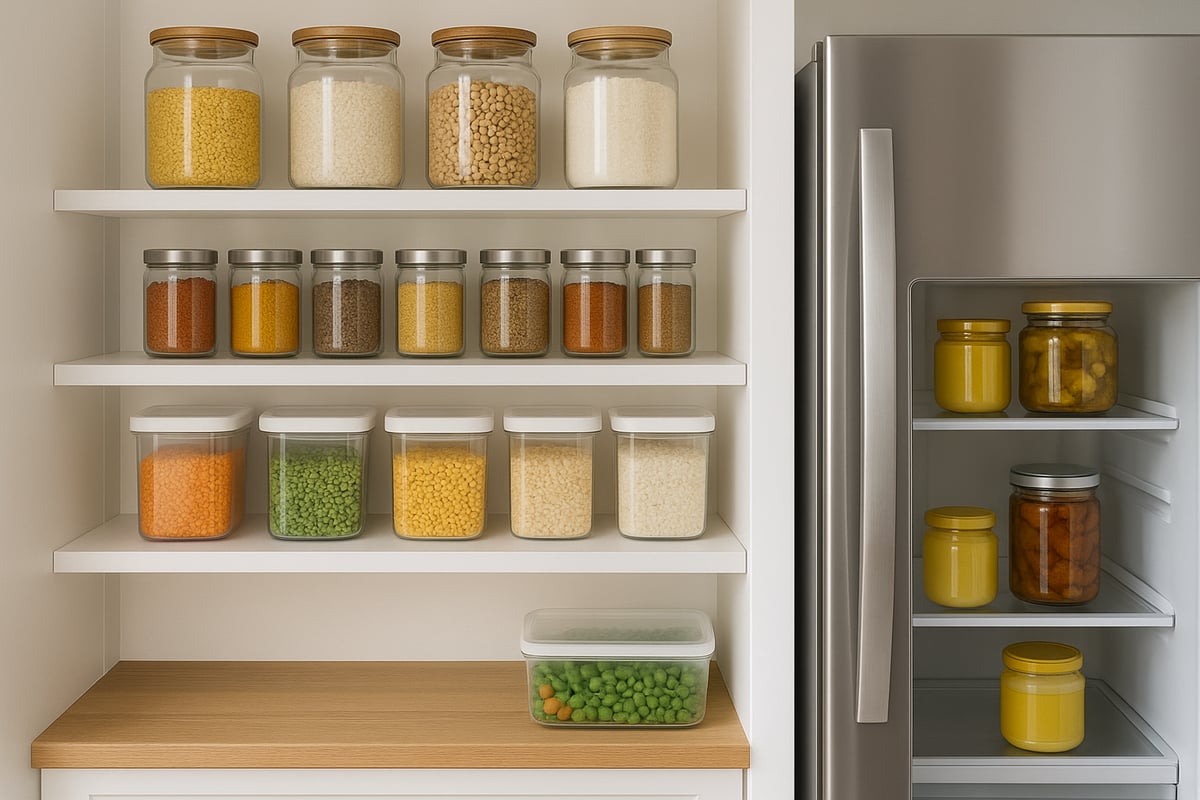
Storing indian grocery items correctly is the first step to maintaining their quality. Always use airtight containers for spices and flours, as this protects them from moisture and pests. Keep pickles, ghee, and other perishables in the refrigerator after opening to extend their usability. For breads and vegetables, freezing is an excellent way to lock in nutrients and taste.
Label each container with the purchase date and rotate older stock to the front. This simple habit helps you use up ingredients before they expire. Consider dividing bulk purchases into smaller, sealed portions to reduce repeated exposure to air. If you want a more detailed breakdown of pantry organization, the Indian grocery shopping guide offers expert tips tailored to indian grocery items.
Shelf Life & Expiry: What to Watch For
Understanding the shelf life of your indian grocery items is essential for safe and flavorful cooking. Most rice and lentils will last up to one year if kept in cool, dry conditions. Spices, however, begin to lose their potency after six to twelve months, especially if exposed to light and air.
Be vigilant for signs of spoilage, such as off smells, discoloration, or clumping in powders. Always check expiry dates on ready-to-eat meals, snacks, and oils before consumption. For near-expiry products, get creative—use them in new recipes or mix small amounts into daily meals to prevent waste. Proper attention to these details ensures every dish you prepare is delicious and safe, making your investment in indian grocery items worthwhile.
Sustainable Shopping & Reducing Food Waste
Sustainability is now a key trend in managing indian grocery items. Buy only what you need, especially for perishable goods. Choose brands that use recyclable or compostable packaging. Compost vegetable scraps, and recycle empty containers whenever possible.
If you find yourself with excess non-perishables, consider donating them to local food banks. Community sharing groups are also a great way to exchange specialty items you may not use up. By focusing on responsible shopping and storage, you can enjoy your favorite indian grocery items while supporting a healthier planet and reducing waste.
Building Your Indian Grocery List for 2026: Pro Tips & FAQs
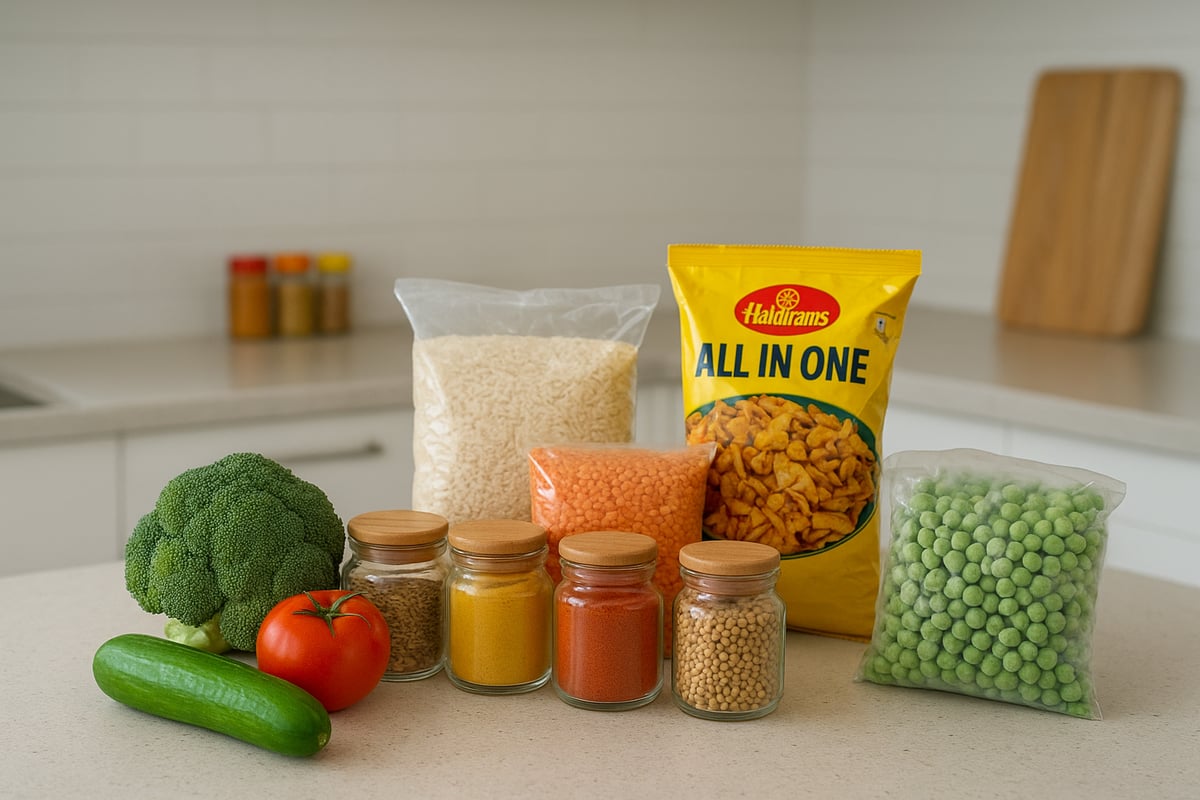
Curating the perfect collection of indian grocery items for your kitchen in 2026 is about more than just tradition. With evolving diets and diverse preferences, your list can reflect your unique needs, lifestyle, and culinary goals. Use these expert tips to build a pantry that is healthy, budget-friendly, and suited for every member of your household.
Customizing Your List for Dietary Needs
Personalizing your indian grocery items list starts with understanding your household's dietary needs. Are you following a vegan, gluten-free, or low-carb plan? Indian staples easily adapt to all these diets. For vegans, focus on dals, lentils, fresh produce, and plant-based oils. Gluten-free shoppers can swap whole wheat atta for besan (chickpea flour) or rice flour.
Consider adding superfoods and fortified products such as quinoa, chia seeds, or fortified atta for extra nutrition. Regional differences also matter. North Indian homes might prioritize atta and paneer, while South Indian kitchens may stock coconut oil and rice varieties.
If allergies are a concern, always check labels for hidden ingredients and possible cross-contamination. For a deeper dive into the health benefits of popular staples, visit this health benefits of Indian spices and lentils resource.
Budgeting and Planning for Smart Shopping
Smart planning ensures you get the most value from your indian grocery items. Track seasonal discounts and promotions online or in-store to save money. Bulk buying works well for staples like rice, dal, and flour, but buy perishables in smaller quantities to reduce waste.
A simple meal plan can help you use everything efficiently and avoid last-minute purchases. Compare prices between online platforms and local stores, as exclusive deals and community recommendations can lead to significant savings.
Use a table to keep track of your spending and pantry stock:
| Item | Bulk/Small | Price Check | Store/Online |
|---|---|---|---|
| Basmati Rice | Bulk | Yes | Online |
| Spices | Small | Yes | Local |
| Frozen Breads | Bulk | Yes | Online |
This approach keeps your indian grocery items organized and your budget on track.
Frequently Asked Questions About Indian Groceries
Curious about how to select authentic indian grocery items? Look for trusted brands and certifications, and read reviews from other shoppers. Beginners should start with essentials like basmati rice, atta, toor dal, and a basic spice set. These staples form the backbone of countless dishes.
Want to blend Indian staples into non-Indian meals? Add spices to soups, use dal in salads, or try chutneys in wraps. To explore new snacks and spices safely, buy small packs first. For families, introduce kids to mild flavors and gradually expand their palate.
For expert advice on sourcing and storing, read these Indian food supplier insights.
Now that you’ve explored the 12 essential Indian grocery items for 2026 and picked up tips on choosing quality products, why not make your next grocery run effortless and enjoyable? Whether you’re aiming to cook traditional favorites or try new regional specialties, having access to authentic ingredients can truly elevate your meals. At Global Food Hub, you’ll find a diverse range of quality Indian and Asian groceries, all delivered conveniently to your door across Europe. If you’re ready to upgrade your pantry and experience the flavors of India at home, Shop Now.


