 Skip to content


Indian cuisine is captivating taste buds worldwide, and the search for a trusted indian food supplier has never been more intense. As we enter 2025, restaurants, retailers, and passionate home chefs are all seeking authentic flavors, but sourcing safe, high-quality products can be a real challenge.
With so many options and evolving standards, finding the right partner is crucial for success. This essential handbook is designed to help you confidently navigate the indian food supplier market, no matter your business size or culinary ambitions.
Inside, you will discover how to identify supplier types, evaluate quality, master sourcing strategies, understand key regulations, and anticipate future trends. Get ready for practical, up-to-date insights tailored for your needs in 2025.
Understanding the Indian Food Supplier Ecosystem
The indian food supplier landscape is expanding rapidly as the world’s appetite for authentic Indian cuisine grows. Whether you are a restaurant owner, retailer, or home chef, understanding this ecosystem is essential for making smart sourcing decisions. Let’s explore the core elements shaping the journey of Indian food from farm to table in 2025.
Types of Indian Food Suppliers
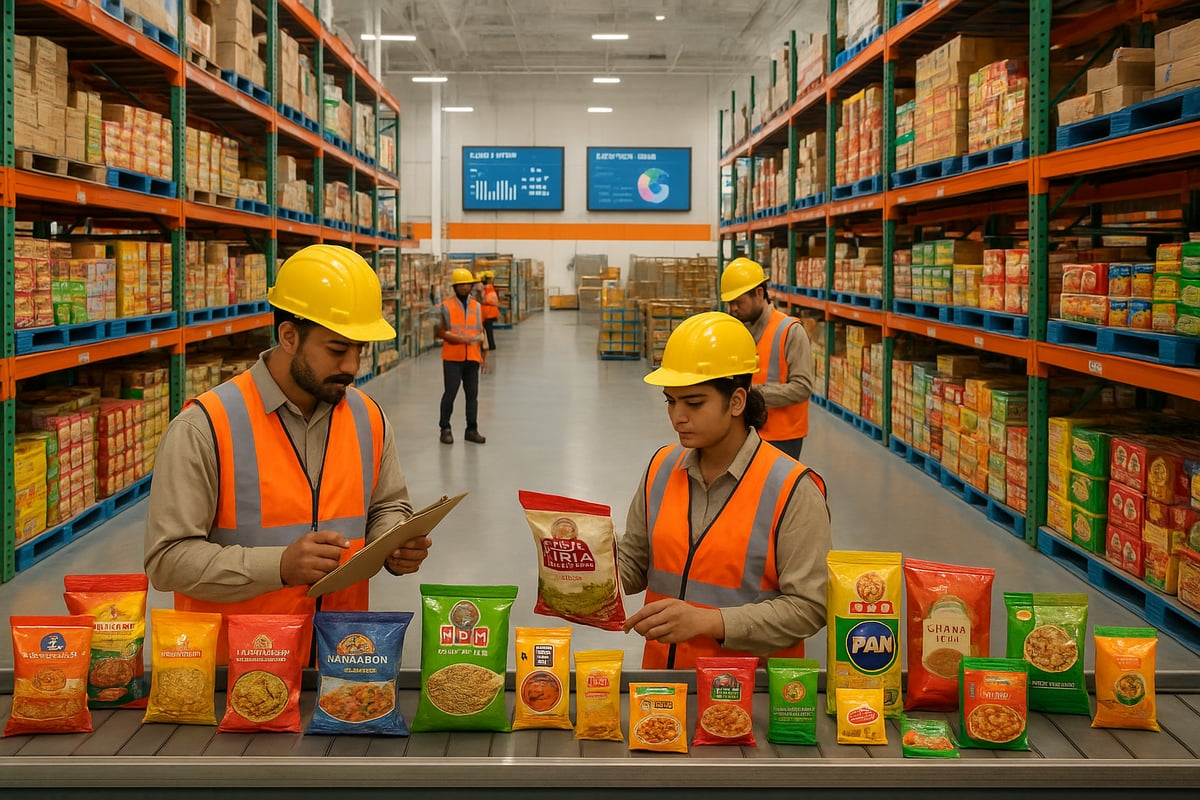
Indian food supplier options are more diverse than ever before. Suppliers can be categorized as wholesalers, distributors, importers, or direct-from-manufacturer partners.
- Wholesalers: Offer bulk quantities at lower prices, ideal for restaurants and large retailers.
- Distributors: Act as intermediaries, connecting producers with local markets.
- Importers: Specialize in bringing authentic Indian goods to overseas buyers.
- Direct-from-manufacturer: Allow buyers to source straight from the source, often for specialty items.
B2B suppliers serve businesses, while B2C suppliers focus on individual consumers. Some specialize in spices, others in ready meals or fresh produce. For example, major spice importers often supply restaurant chains, while local grocery distributors cater to neighborhood stores. To see a wide variety of authentic products, browse Indian groceries and ingredients.
Key Supply Chain Players
Every indian food supplier relies on a network of key players. Indian exporters handle production and quality control. Overseas importers manage customs, legal compliance, and local distribution. Logistics partners ensure products move safely and efficiently.
Recent global events have highlighted the importance of resilient supply chains. COVID-19 and geopolitical shifts caused disruptions, making traceability and transparency top priorities. Reliable tracking and open communication between suppliers and buyers now define successful partnerships within the indian food supplier network.
Regional Hubs and Sourcing Centers
India’s vast geography gives rise to specialized sourcing regions, each known for unique products. Punjab leads in grains and pulses, while Kerala is famous for spices like black pepper and cardamom. Mumbai stands out as a major export hub, connecting Indian producers to global markets.
Internationally, cities like Dubai, London, and New York serve as key distribution centers for Indian foods. For an indian food supplier, understanding these hubs enables efficient sourcing and competitive pricing. Choosing the right region can also impact freshness and authenticity.
Digital Transformation in Food Supply
The digital revolution is reshaping how every indian food supplier operates. Online B2B platforms and e-commerce sites now connect buyers with suppliers from across India and around the globe.
This shift benefits small businesses and restaurants, granting access to a broader range of products and suppliers. Growth in online directories and marketplaces makes supplier comparison easier, while digital tools enhance ordering, payment, and shipment tracking. The result is a faster, more transparent purchasing process for anyone seeking an indian food supplier.
Challenges and Opportunities in 2025
In 2025, the indian food supplier industry faces both obstacles and exciting prospects. Demand for authentic, specialty, and organic Indian foods is rising. However, supply chain bottlenecks, price volatility, and evolving regulations create challenges.
Opportunities abound in niche products, such as gluten-free flours and sustainable packaging. Suppliers who embrace transparency and innovation will thrive. For buyers, staying informed about these trends is crucial for building successful, future-ready partnerships with any indian food supplier.
Evaluating and Selecting the Right Indian Food Supplier
Choosing the right indian food supplier in 2025 is a crucial step for any business or home chef aiming for authentic and safe Indian cuisine. The landscape is crowded, making careful evaluation essential. Here is a practical guide to help you make informed, confident decisions.
Quality Assurance and Certifications
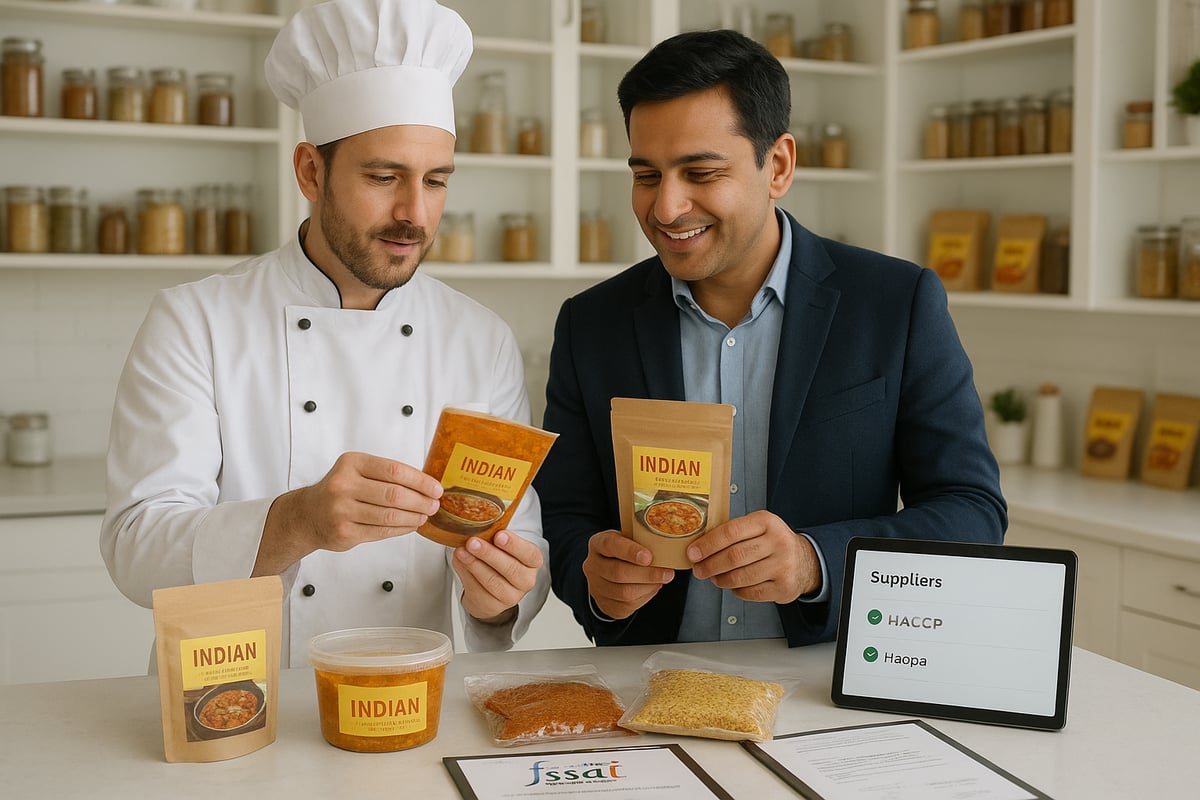
Quality assurance is the foundation of a trustworthy indian food supplier. Reputable suppliers provide certifications such as FSSAI, ISO, and HACCP to prove compliance with food safety standards. Always verify these credentials before making a purchase.
Certifications are more than paperwork—they signal a supplier’s commitment to food safety and authenticity. For example, a restaurant sourcing bulk spices will gain buyer confidence and reduce risk by choosing a supplier with up-to-date certifications. This diligence ensures you get safe, genuine products every time.
Product Range and Specialization
A reliable indian food supplier should offer a broad product range tailored to your needs. Assess whether the supplier provides essential categories like vegan, gluten-free, or organic items. Some suppliers specialize in specific products, such as ready meals or premium spices, which can offer higher quality and expertise.
Working with a specialized indian food supplier can lead to better product consistency. For instance, a supplier focused exclusively on organic Indian snacks will better understand sourcing, preservation, and packaging for those items.
- Check for dietary options
- Compare specialized and generalist suppliers
- Look for unique or niche products
Pricing, Payment Terms, and Minimum Orders
Understanding pricing structures is vital when choosing an indian food supplier. Compare unit prices, bulk discounts, and available credit options. Payment terms, such as net 30 or net 60, may vary, so clarify these details upfront.
Minimum order requirements can impact small businesses or new restaurants. Some suppliers allow flexible quantities while others require large commitments. Always ask about volume discounts and seasonal price fluctuations to make informed financial decisions.
| Factor | What to Check |
|---|---|
| Price per unit | Transparent and competitive |
| Payment terms | Flexibility and clarity |
| Minimum orders | Suitability for your business |
Logistics, Delivery, and Lead Times
Efficient logistics distinguish a dependable indian food supplier. Evaluate shipping options, whether local or international, and consider the importance of tracking, insurance, and cold chain solutions for perishables.
Fast, reliable delivery can be a game-changer for restaurants needing fresh ingredients on short notice. For more details on delivery specifics, review the supplier’s shipping and delivery policy to understand lead times and coverage. Advanced systems for real-time tracking can further streamline your operations.
- Local vs. global shipping choices
- Delivery speed and reliability
- Tracking and insurance options
Customer Service and Support
Outstanding customer service is a hallmark of a top indian food supplier. Responsive communication and robust after-sales support minimize disruptions and resolve issues quickly. A supplier with multilingual support teams can be especially valuable for international clients.
Effective support includes clear complaint handling, straightforward returns, and proactive recall management. For example, a supplier with 24/7 support ensures problems are addressed promptly, maintaining trust and business continuity.
Sustainability and Ethical Sourcing
Modern buyers demand more from their indian food supplier, including sustainability and ethical sourcing. Look for eco-friendly packaging, fair trade practices, and transparency in sourcing and labor.
Suppliers adopting zero-plastic packaging or supporting local farmers set themselves apart. These practices enhance your brand reputation and align with evolving consumer values. Ethical sourcing is not just a trend—it’s a commitment to the future of food.
Step-by-Step Guide: Sourcing Indian Food Products in 2025
Sourcing from an indian food supplier in 2025 is more dynamic than ever. Whether you are a restaurant owner, retailer, or passionate home chef, following a structured approach ensures quality, compliance, and reliability. Here is a step-by-step guide to successfully navigate the world of indian food supplier networks this year.
Step 1: Define Your Sourcing Needs
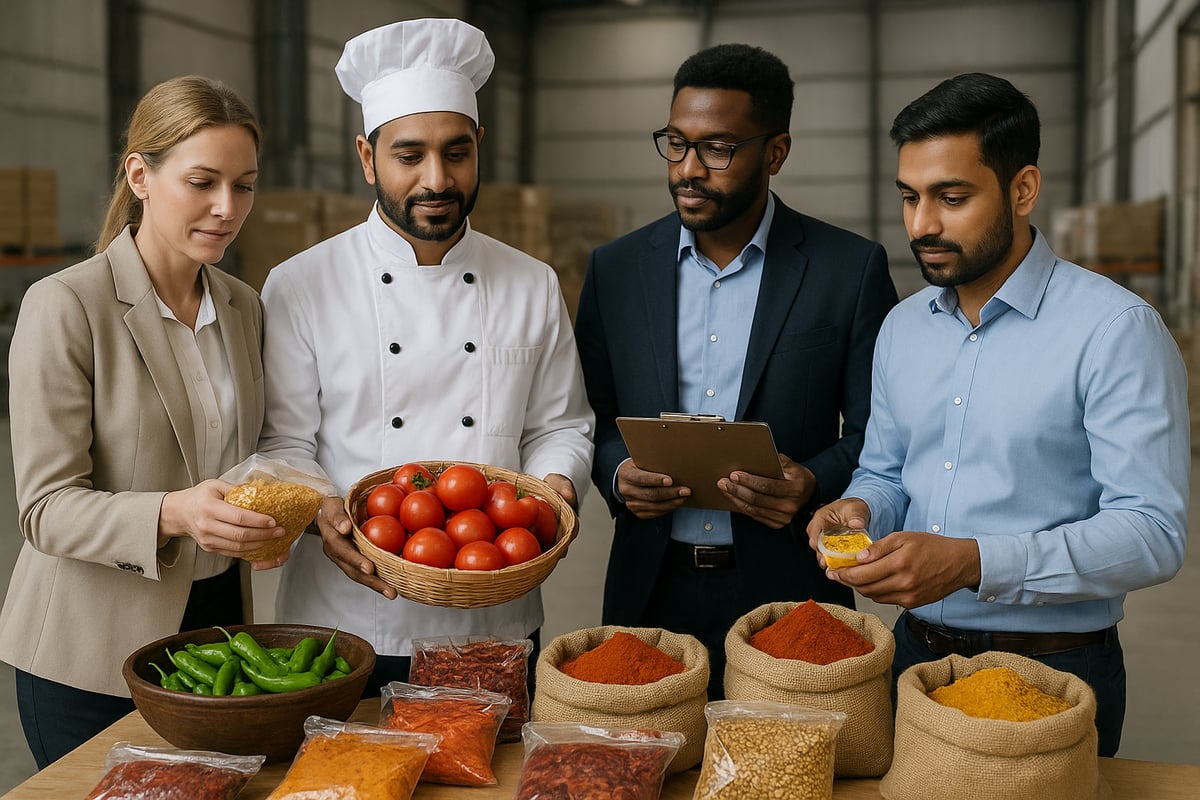
Start by clearly identifying your needs from an indian food supplier. Consider your target market, cuisine specialties, and the expected volume of products.
List all essential product categories and any dietary requirements, such as vegan, gluten-free, or organic. For example, a vegan Indian restaurant will need plant-based dairy alternatives and meat substitutes. Document your expectations for freshness, authenticity, and packaging.
This clarity streamlines communication with any indian food supplier, ensuring better outcomes.
Step 2: Research and Shortlist Suppliers
Research is critical when selecting an indian food supplier. Use trade directories, industry events, and online marketplaces to build a list of potential partners.
Check supplier reputations through client testimonials and online reviews. Evaluate their experience, especially those with a proven track record in the Indian food sector. For a deeper understanding of supplier expertise, review detailed background information like the About our Indian food supply page.
Shortlisting reputable suppliers sets a strong foundation for your sourcing journey.
Step 3: Request Samples and Assess Quality
Before committing to an indian food supplier, always request product samples. This step is crucial for evaluating freshness, taste, and packaging standards.
Create a checklist to compare multiple samples. Focus on aroma, color, and ingredient authenticity. For example, compare garam masala blends from different sources to find the most authentic flavor for your menu.
Assessing samples helps ensure your chosen indian food supplier meets your quality expectations.
Step 4: Negotiate Terms and Pricing
Negotiating with an indian food supplier requires preparation. Research typical market prices and be aware of seasonal fluctuations, especially for products like spices and pulses.
Discuss payment terms, bulk discounts, and minimum order quantities. Lock in favorable rates for regular purchases, such as spices bought in large volumes. Transparent negotiations build trust and foster long-term partnerships.
Clear agreements with your indian food supplier protect your margins and ensure steady supply.
Step 5: Verify Certifications and Compliance
Every reliable indian food supplier must provide up-to-date certifications. Request documents like FSSAI, ISO, or HACCP certificates to ensure food safety and authenticity.
Check compliance with both local and international regulations. Pay special attention to allergen labeling, organic certifications, and traceability requirements. This step shields your business from regulatory risks and ensures customer trust.
A certified indian food supplier demonstrates commitment to quality and safety.
Step 6: Place Orders and Monitor Delivery
When placing orders with an indian food supplier, use digital tools to track shipments and manage inventory. Set up systems for real-time updates and alerts.
Ensure you have clear agreements on delivery timelines, insurance, and cold chain logistics for perishables. Efficient order tracking minimizes disruptions and keeps your business running smoothly.
Working with an organized indian food supplier streamlines your operations and reduces risk.
Step 7: Build Long-Term Supplier Relationships
Sustaining a relationship with your indian food supplier involves regular communication and feedback. Schedule check-ins to discuss performance, address concerns, and explore new product collaborations.
Collaborate on exclusive products for festivals or special promotions. Strong partnerships often result in better pricing, priority service, and early access to new items.
Investing in your relationship with an indian food supplier pays dividends over time and ensures ongoing business success.
Regulatory and Compliance Essentials for Indian Food Imports
Navigating the world of Indian food imports in 2025 means understanding a complex set of rules and regulations. Every indian food supplier must prioritize compliance to ensure smooth operations, avoid costly delays, and build trust with partners and consumers. This section breaks down the essentials you need to know, from paperwork to food safety standards.
Import Regulations and Documentation
Importing Indian food products involves strict regulations. For any indian food supplier, proper paperwork is non-negotiable. Key documents include the commercial invoice, packing list, bill of lading, certificate of origin, and health certificates. Missing or incorrect paperwork can lead to customs delays, fines, or even rejected shipments.
| Required Document | Purpose |
|---|---|
| Commercial Invoice | Details value and goods |
| Packing List | Lists package contents |
| Bill of Lading | Proof of shipment |
| Certificate of Origin | Verifies product origin |
| Health Certificate | Confirms food safety standards |
Always double-check that your indian food supplier provides accurate and up-to-date documentation to avoid pitfalls at customs.
Food Safety Standards and Certifications
Meeting food safety standards is a top concern in 2025. Every indian food supplier must comply with international regulations like FSSAI, EU, and US FDA. Certifications such as ISO and HACCP are also essential for proving quality and safety. Staying updated on regulatory changes is crucial, especially since new rules take effect each year. For example, the FSSAI's 2025 Food Safety Amendments introduce new product standards effective February 2026.
Batch testing, lab analysis, and proper documentation help prevent shipment rejections. Ask your indian food supplier for recent certificates and proof of compliance before finalizing any deal.
Labeling and Packaging Requirements
Labeling and packaging are critical for legal compliance and consumer trust. Each indian food supplier must ensure products are labeled with:
- Complete ingredient lists
- Allergen information
- Expiry dates
- Nutritional details
- Manufacturer and importer information
Labeling rules vary by country. For example, EU regulations require labels in local languages and strict allergen disclosures, especially for products like Indian pickles. Packaging must also protect products during transit and meet eco-friendly standards where required. Collaborate closely with your indian food supplier to avoid costly labeling mistakes.
Handling Recalls and Non-Compliance Issues
Even with strict controls, recalls and compliance issues can arise. Having a clear plan is essential for every indian food supplier. Procedures should cover immediate customer notifications, product withdrawals, and reporting to authorities. Traceability systems are key for tracking affected batches quickly.
A real-world example is a spice recall in the EU, where rapid action and transparent communication minimized reputational damage. Regular audits and open dialogue with your indian food supplier will help you handle such challenges efficiently.
Staying Updated with Changing Regulations
Regulations for Indian food imports are always evolving. Every indian food supplier should subscribe to government portals, trade association newsletters, and industry updates. Staying informed helps you anticipate changes and adapt your sourcing strategies.
For instance, new EU food safety directives in 2025 will impact import procedures, documentation, and testing requirements. Proactive communication with your indian food supplier ensures you can respond quickly to regulatory shifts and maintain compliance across your supply chain.
Trends and Innovations Shaping Indian Food Supply in 2025
Indian food supplier networks are evolving rapidly in 2025, responding to global demand and shifting consumer preferences. New trends are reshaping how Indian food supplier businesses operate and deliver value to customers worldwide. From health-driven products to high-tech logistics, staying updated on these innovations is crucial for anyone sourcing Indian foods.
Rise of Specialty and Health-Focused Products
In 2025, consumers are seeking more from their indian food supplier than traditional staples. The demand for organic, vegan, gluten-free, and functional foods is soaring. Indian food supplier companies are expanding their product lines to include millet snacks, plant-based curries, and low-sugar desserts.
Retailers and restaurants are also prioritizing specialty ingredients. For instance, there is a surge in requests for authentic spice blends and unique pastes. If you are looking for high-quality spices and pastes, browse the Spices and pastes selection to see how suppliers are meeting these needs.
This shift pushes every indian food supplier to innovate and cater to diverse dietary requirements, attracting a broader customer base.
Technology and Automation in Supply Chains
Technology is transforming every indian food supplier’s operations. With AI, IoT, and blockchain, inventory and traceability have reached new heights. Automated sorting, temperature monitoring, and digital record-keeping ensure products move efficiently from farms to shelves.
Blockchain-enabled traceability projects let buyers track spices and other goods back to their source. This enhances trust and product safety, which is vital for a leading indian food supplier.
For a deeper dive into how logistics and warehousing trends are evolving, see Indian Logistics and Warehousing Trends 2025.
Smarter logistics not only boost transparency but also lower costs and reduce waste across the indian food supplier chain.
Direct-to-Consumer and E-Commerce Growth
E-commerce is revolutionizing how every indian food supplier connects with customers. Online supermarkets, mobile apps, and subscription boxes are making Indian groceries more accessible than ever.
Restaurants, retailers, and home chefs can now order specialty products with just a few clicks. Meal kits and ready-to-cook packs are growing in popularity, providing convenience and variety.
This shift to digital platforms allows an indian food supplier to reach international audiences, streamline ordering, and offer personalized recommendations. It is a win-win for both suppliers and consumers in the evolving food landscape.
Sustainability and Green Initiatives
Sustainability is now a priority for every indian food supplier. Eco-friendly packaging, carbon-neutral logistics, and ethical sourcing are shaping the industry’s future.
Many suppliers are switching to biodegradable materials and supporting fair trade practices. For example, some exporters use plant-based wraps and recyclable containers for shipping.
Restaurants and retailers increasingly choose an indian food supplier with a strong commitment to the environment. These green practices not only appeal to conscious consumers but also reduce long-term operational costs.
Globalization and Fusion Cuisine
Indian food supplier companies are thriving as Indian flavors influence global menus. Fusion products, such as masala-infused snacks and curry-inspired sauces, are popular in supermarkets from London to Sydney.
International trade agreements and growing diaspora populations have made Indian foods more accessible. An indian food supplier today must understand cultural preferences and adapt products for different markets.
This trend creates opportunities for innovation and brand expansion, helping suppliers stay competitive in a multicultural world.
Navigating Price Volatility and Supply Disruptions
Managing price fluctuations is a major challenge for any indian food supplier. Factors like crop yields, global demand, and geopolitical events can cause sudden shifts in availability and costs.
Smart suppliers are diversifying their sourcing, building buffer stocks, and using data analytics to forecast trends. This proactive approach helps maintain steady supply and pricing for their clients.
By staying agile and informed, an indian food supplier can minimize risks and ensure consistent delivery, even during uncertain times.
Choosing the Best Online Indian Food Supplier: What to Look For
Finding the best indian food supplier online can feel overwhelming with so many options in 2025. To help you make the right choice, focus on authenticity, platform experience, delivery, and support. Let’s break down what matters most so you can source with total confidence.
Product Authenticity and Brand Selection
Authenticity is the cornerstone of any reputable indian food supplier. Look for platforms offering well-known Indian brands and avoid generic or counterfeit products. Genuine suppliers will clearly display brand logos, product origins, and certifications.
Here’s a quick comparison to help you spot the difference:
| Feature | Authentic Brand Supplier | Generic/Counterfeit Supplier |
|---|---|---|
| Brand Names | Trusted Indian brands | Unfamiliar, unbranded |
| Packaging | Sealed, labeled | Plain, missing info |
| Certification | FSSAI, ISO, HACCP | Often absent |
Choosing an authentic indian food supplier ensures you receive products that meet safety and taste standards.
User Experience and Platform Features
A modern indian food supplier should offer a seamless online experience. Check for easy navigation, detailed product descriptions, and robust search filters. Features like mobile app access, real-time order tracking, and customer reviews make shopping efficient.
Look for these features:
- Intuitive website or app interface
- Comprehensive product info
- Recipe suggestions tied to products
- User ratings and testimonials
A user-friendly platform from your chosen indian food supplier saves time and boosts your confidence in every order.
Delivery Coverage and Speed
Reliable delivery is essential when picking your indian food supplier. Assess whether the supplier ships locally, nationally, or internationally. Fast, predictable delivery times are vital, especially for restaurants and retailers who depend on timely stock.
Same-day or next-day delivery in major cities can be a game changer. Always check delivery policies, coverage areas, and available shipping options. A trustworthy indian food supplier will provide accurate tracking and flexible delivery windows.
Customer Support and After-Sales Service
Customer support can make or break your experience with an indian food supplier. Look for suppliers offering multilingual support, 24/7 chat, and responsive communication channels. Efficient complaint resolution, clear return policies, and helpful after-sales service demonstrate reliability.
Supportive suppliers help you resolve issues quickly, whether it’s a missing item or a product recall. This level of service is especially valuable for businesses that cannot afford supply interruptions from their indian food supplier.
Global Food Hub: Your One-Stop Indian Food Supplier
Global Food Hub stands out as the EU’s largest online indian food supplier, offering an extensive range of authentic brands and specialty products. Their platform is designed for restaurants, retailers, and home chefs, making it easy to source everything from spices to ready meals.

With convenient online shopping, diverse dietary options, and a commitment to quality, Global Food Hub is a top choice for anyone seeking a reliable indian food supplier in 2025.
As you navigate the complexities of sourcing authentic Indian groceries—whether you’re a restaurant owner, retailer, or passionate home chef—you know how crucial it is to have a reliable supplier who understands your unique needs. We’ve explored everything from supplier types and quality checks to the latest trends and regulatory essentials, giving you a roadmap for success in 2025. If you’re ready to simplify your sourcing journey and access a diverse range of trusted Indian and Asian products, you don’t have to look far. Discover your next go to supplier and Shop Now for genuine ingredients and exceptional service.


