 Skip to content


Did you know that Indian cuisine is celebrated on every continent, blending centuries of tradition with vibrant flavors? As global cravings for authentic indian spices and groceries reach new heights in 2025, more home cooks seek genuine ingredients to capture those bold tastes.
This guide is your trusted companion for sourcing, understanding, and using the essentials of Indian cooking. Discover staple spices, must-have pantry items, smart shopping tips, and the latest trends. Ready to unlock the secrets of authentic Indian flavors? Dive in and transform your kitchen today.
The Foundation of Indian Cooking: Essential Spices
Indian spices and groceries are the soul of every Indian kitchen, weaving together centuries of flavor and tradition. Spices are not just ingredients, they are storytellers connecting ancient practices to modern plates. In 2025, the global appetite for Indian spices and groceries is stronger than ever, with India exporting over 70 percent of the world's spices. According to recent reports, India's spice exports reach $4.72 billion in FY25, underscoring their economic and culinary significance.
The Role of Spices in Indian Cuisine
Spices have a deep-rooted place in Indian culture, shaping both everyday meals and festive feasts. Their use dates back thousands of years, when ancient traders crossed continents to seek the prized flavors found only in Indian spices and groceries. Spices do more than add taste, they reflect regional identities and family traditions.
From the earthy aroma of cumin in North Indian dals to the floral sweetness of cardamom in South Indian desserts, each spice brings its own story. Many spices used in indian spices and groceries are valued for their health benefits, such as turmeric’s natural anti-inflammatory properties and cloves’ antioxidant power.
India’s role as the world’s top spice producer is a point of national pride and an economic powerhouse. The diversity of spice blends, like garam masala, demonstrates how each region puts its own twist on classic flavors. For example, Punjabi garam masala is bold and robust, while its Bengali counterpart is more subtle and aromatic.
Must-Have Whole Spices for Every Pantry
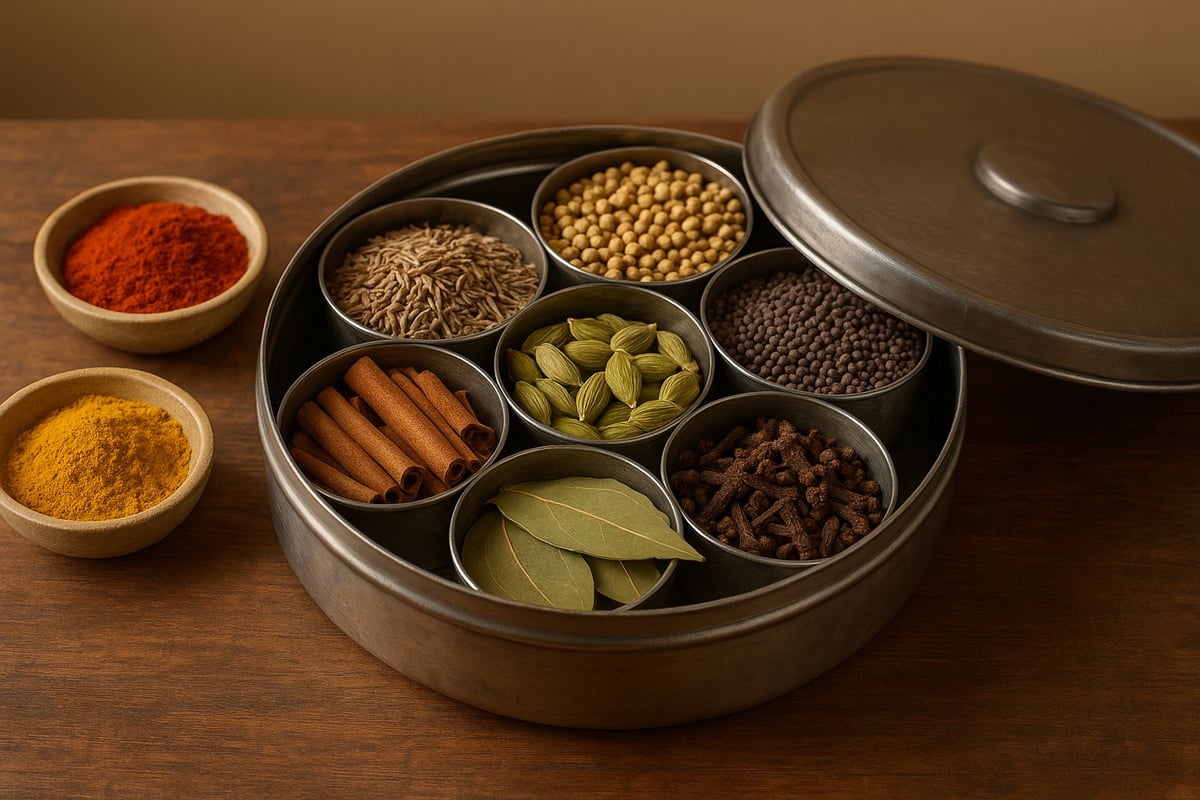
A well-stocked pantry of indian spices and groceries starts with whole spices that form the backbone of Indian cooking. Here are essentials you should always have on hand:
- Cumin seeds: Nutty, earthy, used in tadka for dals and curries
- Coriander seeds: Citrusy, slightly sweet, perfect for spice blends
- Mustard seeds: Pungent, peppery, essential in South Indian dishes
- Cardamom: Sweet, floral, used in desserts and chai
- Cloves: Warm, intense, adds depth to biryanis and spice mixes
- Cinnamon: Woody, sweet, often used in pilafs and curries
- Bay leaves: Subtle, herbal, infuses slow-cooked stews
These whole spices are often toasted to unlock their oils and flavors. Store them in airtight containers, away from light and moisture, to keep them potent. Using fresh whole spices from your indian spices and groceries collection ensures your dishes are vibrant and aromatic.
Different regions of India use spices in unique ways. For instance, Bengali cuisine highlights mustard seeds and bay leaves, while South Indian recipes favor curry leaves and black mustard. This regional diversity makes exploring indian spices and groceries an adventure in itself.
Essential Ground Spices & Blends
Ground spices and signature blends are key to creating authentic Indian flavors at home. Some essentials to include in your indian spices and groceries list are:
- Turmeric: Bright yellow, earthy, known for health benefits
- Red chili powder: Adds heat and color, varies in intensity
- Coriander powder: Mellow, citrusy, commonly used in gravies
- Garam masala: A blend of roasted and ground spices, varies by region
- Sambar powder: Unique to South India, gives depth to lentil stews
- Chaat masala: Tangy, salty, brings street food to life
Whole spices retain their flavor longer, but ground spices are convenient for quick cooking. Keep ground spices in small containers and use them within a few months for best taste.
Many ground spices in indian spices and groceries offer health benefits. Turmeric is known for its anti-inflammatory effect, while chaat masala’s blend of dried mango powder and black salt delivers a zingy kick to salads and snacks. Experimenting with these blends allows you to recreate authentic flavors in your kitchen.
Indian Grocery Staples: Building Your 2025 Pantry
Every great Indian meal starts with a well-stocked pantry. In 2025, the importance of choosing the right indian spices and groceries is higher than ever. With evolving tastes and health trends, knowing which essentials to keep on hand makes all the difference for home cooks and food lovers.
Key Grains and Flours
Grains and flours form the backbone of indian spices and groceries, shaping daily meals from breakfast to dinner. Basmati rice is prized for its aroma and long grains, perfect for biryanis and pulao. Sona masoori rice offers a lighter texture, ideal for South Indian dishes. Parboiled rice is a go-to choice for idlis and dosas, while poha (flattened rice) is loved for quick, nourishing breakfasts.
Wheat flour (atta) is essential for soft rotis and parathas. Chickpea flour (besan) stars in savory snacks like pakoras. Rice flour and semolina (sooji) are versatile for both sweets and savories. For modern diets, gluten-free flours such as millet, sorghum, and amaranth are gaining popularity within the world of indian spices and groceries.
Here’s a quick comparison of common grains and their uses:
| Grain/Flour | Typical Use | Special Note |
|---|---|---|
| Basmati Rice | Biryani, Pulao | Aromatic, long-grain |
| Sona Masoori | Daily meals, Idli | Light texture |
| Atta (Wheat) | Roti, Paratha | High fiber |
| Besan (Chickpea) | Pakora, Chilla | Gluten-free |
| Rice Flour | Dosa, Sweets | Gluten-free |
| Semolina (Sooji) | Upma, Halwa | Versatile |
Store grains and flours in airtight containers, away from moisture, to retain freshness and prevent pests.
Lentils, Pulses, and Beans
Lentils and beans are at the heart of vegetarian and vegan indian spices and groceries. Toor dal, moong dal, urad dal, masoor dal, and chana dal are everyday essentials. Kidney beans (rajma) and black-eyed peas (lobia) add variety and nutrition. These protein-rich staples form the base of comforting dishes like dal tadka, a favorite across Indian households.
Cooking lentils is simple: soak them for faster cooking and better texture. Pressure cookers save time, especially for tougher beans. For those seeking more variety, Essential Indian lentils and beans offers a curated selection for every pantry.
Lentils and beans are not just nutritious, they’re also budget-friendly and shelf-stable. Rotate your stock and label jars to keep things organized. This approach ensures your supply of indian spices and groceries is always fresh and ready for new recipes.
Oils, Ghee, and Cooking Fats
The choice of cooking fats can transform flavors in indian spices and groceries. Mustard oil gives North Indian dishes a pungent kick, while coconut oil is preferred in South India for its rich aroma. Groundnut oil and sunflower oil are neutral options suitable for everyday frying.
Desi ghee, clarified butter, is loved for its nutty taste and high smoke point. Cold-pressed oils are considered healthier than refined ones, retaining more nutrients and flavor. When shopping, look for clear labeling and trusted brands to ensure quality.
Store oils in cool, dark places and use clean spoons to avoid contamination. A thoughtful selection of oils and ghee completes your collection of indian spices and groceries, supporting both taste and health in your kitchen.
Specialty Indian Groceries: Beyond the Basics
Step into the vibrant world beyond the essentials and discover how specialty Indian groceries elevate everyday meals. As culinary trends evolve in 2025, home cooks and food lovers seek more than just standard pantry items. Exploring the range of Indian spices and groceries opens doors to bold flavors, convenience, and exciting new twists on tradition.

Pickles, Chutneys, and Pastes
No discussion of indian spices and groceries is complete without highlighting the bold, tangy, and aromatic condiments that define Indian cuisine. Pickles, or achaar, come in endless varieties, from fiery mango and lime to mixed vegetable blends. These pickles are not just sides but flavor bombs that transform simple meals.
Ready-to-use chutneys, like mint, tamarind, or coconut, bring a fresh twist to snacks and starters. Ginger-garlic paste and tamarind paste save precious time, making authentic flavors accessible for busy cooks. For those eager to discover new favorites, the Indian pickles and essentials category offers a curated selection of classic and modern options.
- Mango pickle: spicy and sweet, pairs with rice or paratha.
- Lime pickle: tangy, perfect with dal and roti.
- Mint chutney: refreshing dip for samosas or kebabs.
- Ginger-garlic paste: essential for curries and marinades.
Exploring these condiments is a top way to expand your collection of indian spices and groceries and add variety to your table.
Snacks, Sweets, and Ready-to-Eat Foods
Indian snacks and sweets bring color, crunch, and comfort to any pantry. From savory namkeen mixes and crispy papad to khakhra and instant idli or dosa mixes, these treats are a staple at gatherings and family celebrations. Ready-to-eat curries and frozen parathas make it easy to enjoy classic tastes, even on busy days.
- Namkeen: spicy snack blends, ideal for tea time.
- Papad: crunchy lentil wafers, often roasted or fried.
- Mithai: traditional sweets like gulab jamun, rasgulla, and ladoo.
- Instant mixes: quick solutions for idli, dosa, or upma.
Modern preferences shape the landscape of indian spices and groceries, with more health-focused snacks, baked options, and sugar-free sweets appearing on shelves. These products balance tradition and innovation, helping you enjoy authentic flavors without extra effort.
Dairy, Paneer, and Non-Dairy Alternatives
Dairy is central to countless Indian dishes, from creamy paneer tikka to refreshing lassi. Staples like paneer, yogurt (dahi), and ghee add richness and depth to meals. For those seeking alternatives, 2025 brings a growing range of plant-based products—almond, soy, and coconut-based yogurts and milks cater to changing diets and preferences.
- Paneer: fresh cheese used in curries and grills.
- Yogurt: used for marinades, raitas, and drinks.
- Non-dairy milks: almond, soy, coconut options for vegans.
The evolving market for indian spices and groceries now includes vegan-friendly and lactose-free choices, making it easy for everyone to enjoy beloved recipes. Whether you prefer traditional dairy or innovative plant-based options, stocking these essentials keeps your kitchen ready for any craving.
Smart Shopping: How to Source Authentic Indian Spices and Groceries in 2025
Shopping for indian spices and groceries today is easier and more exciting than ever. Whether you are a seasoned home cook or just starting to explore Indian cuisine, understanding how to source authentic ingredients in 2025 can transform your culinary experience.
Online vs. In-Store Shopping: Pros & Cons
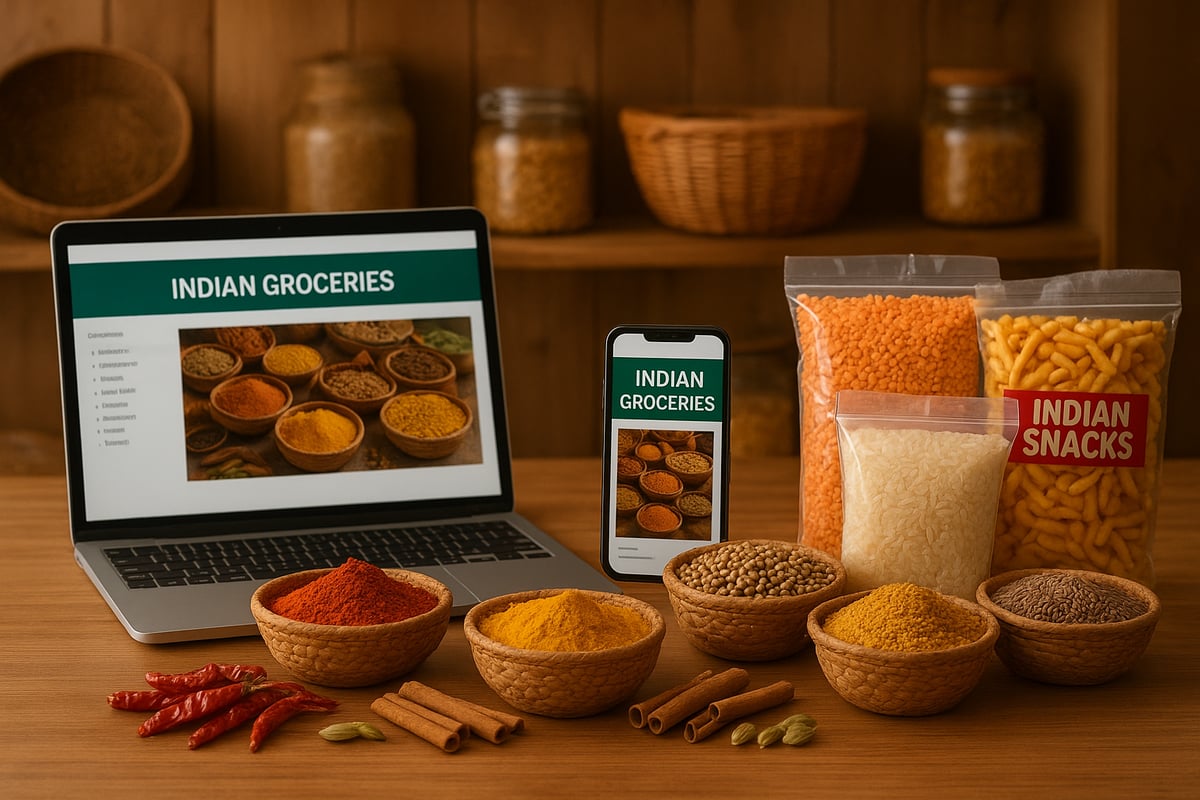
The choice between online and in-store shopping for indian spices and groceries depends on your lifestyle and preferences. Online platforms have surged in popularity since 2020. They offer unmatched convenience, wide selection, and direct access to hard-to-find regional products.
In-store shopping, like visiting a local Indian supermarket, lets you see and smell the spices before buying. You can ask staff for advice or discover new products on the shelves. However, availability might be limited to mainstream brands or popular items.
| Feature | Online Shopping | In-Store Shopping |
|---|---|---|
| Selection | Extensive, regional specialties | Varies, often mainstream |
| Convenience | Shop anytime, home delivery | Immediate purchase |
| Freshness | Sealed packaging, check reviews | Inspect visually, check aroma |
| Price | Promotions, bulk deals | Cash discounts, local offers |
For online purchases, always read ingredient labels and check for certifications. Look for reviews and ratings to ensure quality. For more practical advice, see these Indian grocery shopping tips.
Navigating Labels and Certifications
Understanding product labels is essential when choosing indian spices and groceries. Look for terms like "organic," "GI-tagged," and "fair trade" to ensure authenticity and ethical sourcing.
- Organic: Indicates the product was grown without synthetic pesticides or fertilizers.
- GI-tagged: Geographical Indication tags guarantee origin, such as Basmati rice from specific regions.
- Fair Trade: Supports fair wages and sustainable farming.
When buying spice blends, check the ingredient list for purity. Avoid mixes with additives, artificial colors, or preservatives. Authentic blends should list recognizable spices as the main ingredients.
Example: GI-tagged Basmati rice is a mark of true quality and origin. Always check for such certifications to make sure your indian spices and groceries are genuine and healthy.
Budget-Friendly Shopping Strategies
Sourcing indian spices and groceries does not have to break the bank. Smart shoppers use several strategies to get the most value.
- Buy in bulk for staples like rice, lentils, and whole spices. This reduces cost per unit and ensures you always have essentials on hand.
- Buy in small quantities if you are trying a new spice or blend. This avoids waste and keeps your pantry fresh.
- Shop seasonally for the best prices on specialty items and fresh produce.
- Join loyalty programs or subscribe to regular deliveries from trusted online stores for exclusive discounts.
If you cook Indian food often, bulk packs of turmeric, cumin, or dal make sense. For experimenting, single-serve packs are ideal. Always check expiration dates to keep your indian spices and groceries at peak quality.
Trends and Innovations in Indian Groceries for 2025
The world of indian spices and groceries is evolving faster than ever. As global food trends shift, 2025 is shaping up to be a landmark year for innovation in this vibrant category. From health-focused choices to tech-powered shopping, let us explore the most exciting developments shaping the way we buy and enjoy indian spices and groceries.
Health and Sustainability Trends
Consumers are placing a premium on well-being and environmental responsibility. In 2025, indian spices and groceries are seeing a surge in organic, non-GMO, and eco-friendly options. Shoppers are choosing products with clean labels, recyclable packaging, and transparent sourcing.
Plant-based, vegan, and gluten-free launches are at an all-time high. Millet-based snacks and ancient grains are leading the pack, as more households seek wholesome alternatives. According to India's spice market projected to reach $17.04 billion by 2033, the demand for sustainable and innovative indian spices and groceries is projected to grow rapidly, driven by new blends and eco-friendly practices.
Expect to see more products with health certifications and minimal additives, as brands strive to balance tradition with modern dietary needs. The future of indian spices and groceries is rooted in both heritage and health.
Fusion and Regional Specialties
Diversity is at the heart of indian spices and groceries, and 2025 is ushering in a new wave of fusion and rediscovery. Cross-cultural products, such as Indo-Chinese sauces and global spice blends, are now kitchen staples for adventurous cooks.
Regional specialties are making a comeback, with forgotten grains like black rice from North-East India and robust Chettinad masalas gaining recognition. These unique ingredients add depth and authenticity to home-cooked meals.
Modern shoppers are also exploring micro-regional flavors, with small-batch producers introducing heritage pulses, artisanal pickles, and spice mixes tailored for local tastes. This fusion of old and new ensures that indian spices and groceries remain both timeless and trendy.
Technology and Convenience
Technology is transforming how we experience indian spices and groceries. AI-powered recipe apps offer personalized meal ideas based on pantry inventory, making cooking easier for busy families. Smart kitchen gadgets help measure, store, and even grind spices at the touch of a button.
Shoppers now scan QR codes on packaging for traceability, allergy information, and cooking tips. Voice-assisted shopping tools streamline the process, allowing users to order groceries or discover new products with simple commands.
The shift toward processed and packaged items is also notable, as highlighted in India's spice industry shifts toward processed products. These innovations make indian spices and groceries more accessible, ensuring that both tradition and convenience go hand in hand.
Stocking and Storing Indian Spices and Groceries: Best Practices
A well-stocked and organized pantry is the secret to unlocking the full potential of indian spices and groceries. By learning how to store, organize, and manage your ingredients, you ensure every meal bursts with freshness and authentic flavor.
Proper Storage Techniques for Spices
Preserving the vibrant flavors of indian spices and groceries starts with proper storage. Spices should be kept in airtight containers to shield them from moisture and air. Store them in a cool, dark place, away from direct sunlight and heat, to maintain potency.
Whole spices generally last longer than ground varieties. For example, whole cumin seeds can retain their aroma for up to a year, while ground cumin loses strength within six months. Always label containers with purchase dates to track freshness.
Quick Table: Spice Storage Guidelines
| Spice Type | Best Container | Shelf Life (avg) | Storage Tip |
|---|---|---|---|
| Whole | Glass jar | 12-18 months | Away from light |
| Ground | Tin/Glass | 6-12 months | Airtight, cool place |
| Spice Blends | Tin | 6 months | Avoid humidity |
Check for signs of spoilage such as faded color or lack of aroma. If a spice smells dull or has visible clumping, it’s time to replace it. Using fresh ingredients from your supply of indian spices and groceries ensures every dish tastes its best.
Organizing Your Indian Pantry
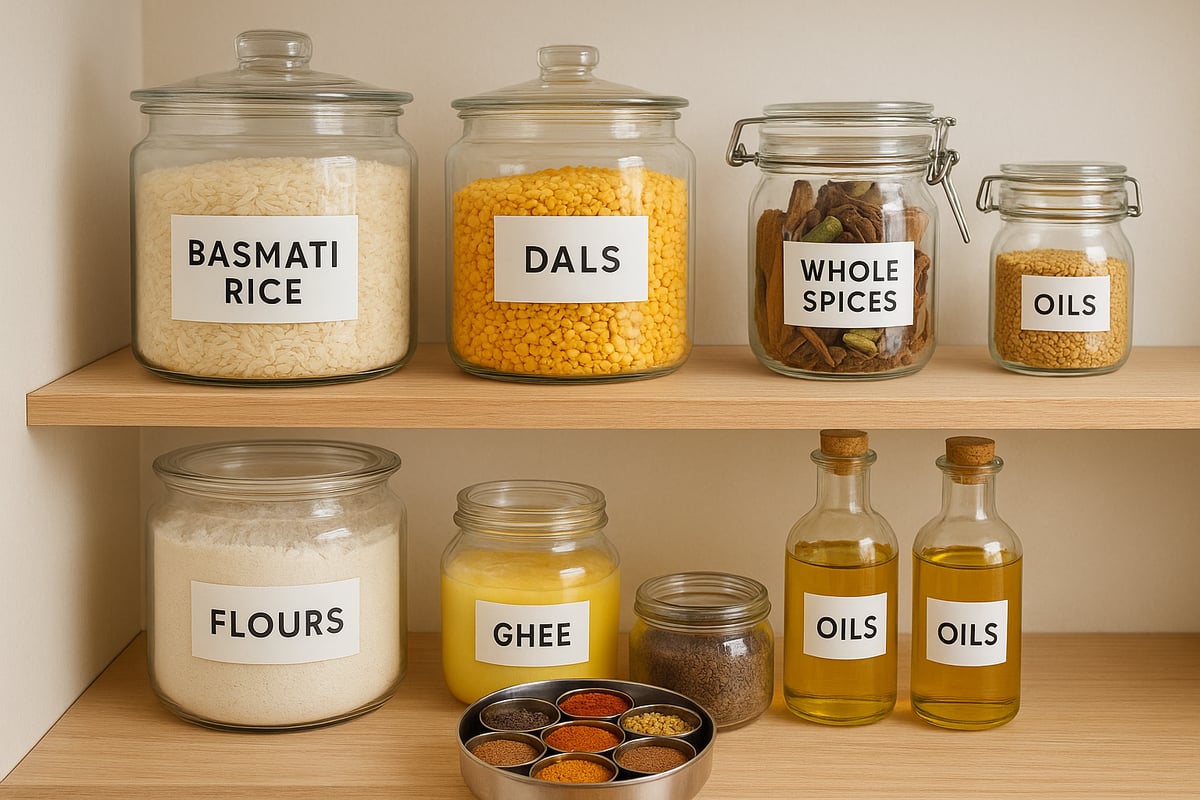
An organized pantry makes cooking with indian spices and groceries effortless. Group ingredients by category: keep spices, grains, pulses, and snacks in separate sections. Use clear containers for easy identification and regular rotation.
Set up a traditional "masala dabba" or spice box for daily use. This keeps your most-used spices within reach and encourages frequent cooking. Label all containers clearly and arrange them so older stock is used first.
Weekly inventory checks help prevent overbuying and reduce waste. Organize shelves so that essential items are always visible. This approach is especially helpful if you use Indian grocery delivery options to restock your pantry, as it makes tracking your needs simple.
Storing indian spices and groceries efficiently not only saves time but also keeps your kitchen running smoothly.
Avoiding Common Mistakes
Avoiding mistakes when handling indian spices and groceries protects both your budget and your meals. One common error is overbuying perishable goods, which can lead to spoilage. Always check expiration dates on packaged foods and rotate stock to use older items first.
Mixing up similar-looking spices is another pitfall. Use labels and store spices in dedicated spots to prevent confusion. Keep your pantry clutter-free by routinely discarding expired or stale items.
Maintaining an efficient storage system for indian spices and groceries means you’ll always have the right ingredients at hand, ready to create delicious and authentic dishes.
Now that you have a clear understanding of essential Indian spices, pantry staples, and smart shopping tips for 2025, you might be wondering where to find the best selection for your own kitchen. At Global Food Hub, you can easily explore a wide range of authentic Indian and Asian groceries, whether you’re restocking classics or searching for unique regional specialties. Their platform is designed for convenience and quality, making it simple to bring vibrant flavors and diverse ingredients to your table. Ready to elevate your cooking experience? Shop Now and discover everything you need for your culinary journey.


