 Skip to content


From London to Los Angeles, food lovers are flocking to the indian grocery store for a taste of vibrant spices and authentic flavors. The aisles are filled with colors, aromas, and ingredients that promise an adventure for your senses.
This guide is your passport to navigating the indian grocery store in 2025. Discover essential pantry staples, must-have spices, fresh and frozen favorites, and the latest shopping tips. Explore new trends in sustainability and learn how to shop smarter.
Ready to master the art of Indian grocery shopping? Step inside and become a confident, savvy shopper in this exciting culinary world.
Understanding the Layout of the Modern Indian Grocery Store
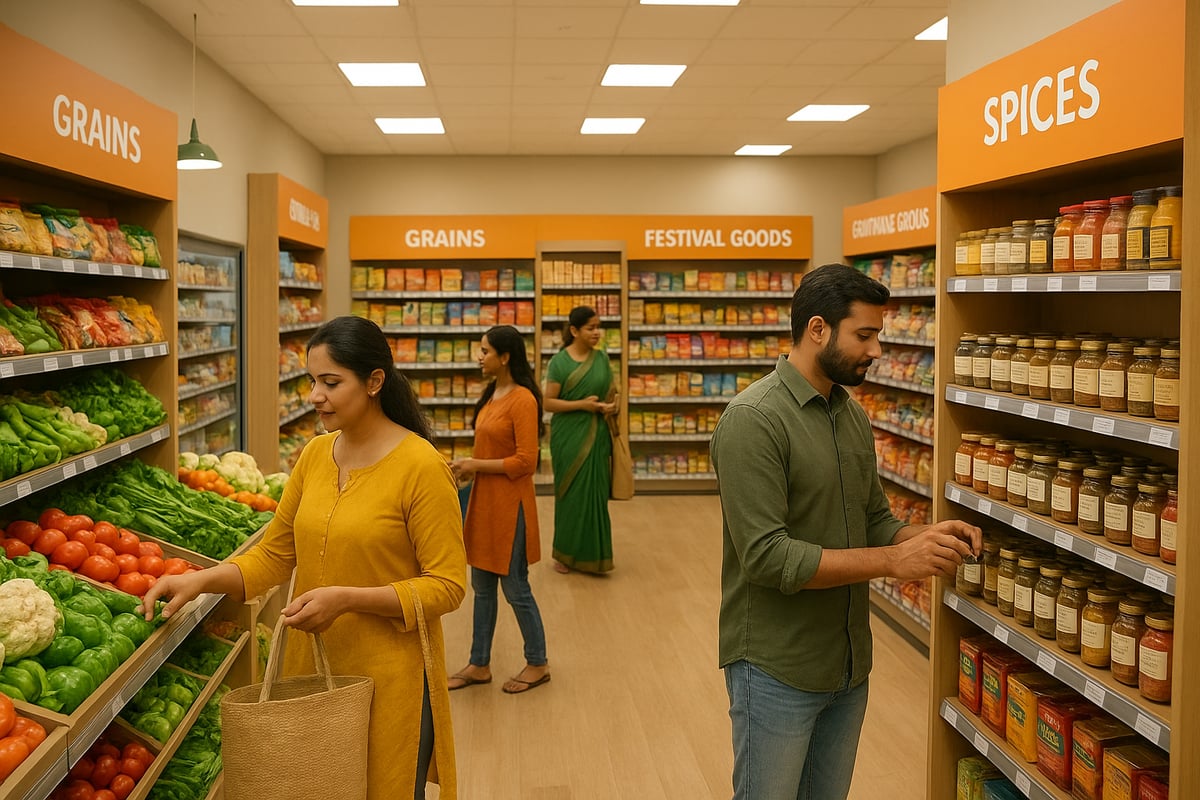
Step inside the indian grocery store in 2025 and you will find a space that blends tradition with innovation. The aisles are filled with vibrant colors and aromas, promising a unique shopping journey. Whether you are a seasoned cook or a newcomer, understanding the layout of the indian grocery store can help you make the most of every visit.
Evolution of Indian Grocery Stores: 2020-2025
In recent years, the indian grocery store has transformed remarkably. Stores now offer an expanded range of products, integrating global brands alongside traditional items. Technology is at the forefront, with many stores introducing online shopping, click-and-collect, and smart payment options.
Statistics show the indian grocery store market has grown rapidly worldwide, driven by demand for authentic ingredients and multicultural offerings. Stores cater to diverse dietary needs, from vegan to gluten-free, reflecting a shift toward inclusive and convenient shopping experiences.
Typical Store Sections and What to Expect
The indian grocery store is organized to make shopping intuitive. You will typically find:
- Fresh Produce: Seasonal fruits and vegetables like okra, mango, and curry leaves.
- Spices and Masalas: Whole and ground spices, regional blends.
- Grains and Flours: Basmati rice, millet, atta, besan.
- Snacks and Sweets: Samosas, bhujia, packaged Indian desserts.
- Frozen Foods: Parathas, dosa batter, ready meals.
- Dairy and Alternatives: Paneer, yogurt, plant-based options.
- Beauty and Wellness: Ayurvedic products, personal care.
- Festival Goods: Decorative items, pooja kits, seasonal treats.
Regional specialties are often showcased with clear signage, and festival sections highlight items for upcoming celebrations.
Navigating In-Store vs. Online Shopping
Shopping at the indian grocery store now offers both physical and digital experiences. In-store, you can touch, smell, and select fresh items, while online stores provide convenience and access to hard-to-find products.
| Experience | In-Store | Online |
|---|---|---|
| Product Access | Immediate, fresh selection | Wide range, specialty brands |
| Convenience | Personal interaction, on-the-spot decisions | Home delivery, easy search, subscription boxes |
| Technology | Digital kiosks, loyalty apps | AI recommendations, digital payment |
Specialty online grocers are on the rise, making it easier to find regional products. Use store apps to locate items or access digital loyalty programs for added savings.
Key Shopping Tips for First-Time Visitors
Visiting the indian grocery store for the first time? Start by choosing off-peak hours for a relaxed experience. Make a list based on your meal plans to avoid impulse buys. Do not hesitate to ask staff about unfamiliar products; they are often happy to help.
Carefully read ingredient labels, especially if you have dietary restrictions. Take time to explore new products on each visit for a richer experience. For more practical guidance, check out these Indian grocery shopping tips to shop smarter and confidently.
Cultural Experience and Community Connection
Beyond shopping, the indian grocery store is a vibrant community hub. During festivals, stores host special events, tastings, and cooking demonstrations, creating a sense of togetherness.
Many stores organize cultural celebrations and offer unique regional products. Supporting your local indian grocery store also means supporting small businesses and fostering cultural exchange in your neighborhood.
Essential Pantry Staples for Every Indian Kitchen in 2025
Stocking your pantry from the indian grocery store unlocks a world of flavors. Whether you are a home cook or just starting to explore Indian cuisine, understanding the essential staples is key to creating authentic and memorable meals. Let’s break down what should be on your shopping list in 2025.
Rice, Grains, and Flours: The Foundation Foods
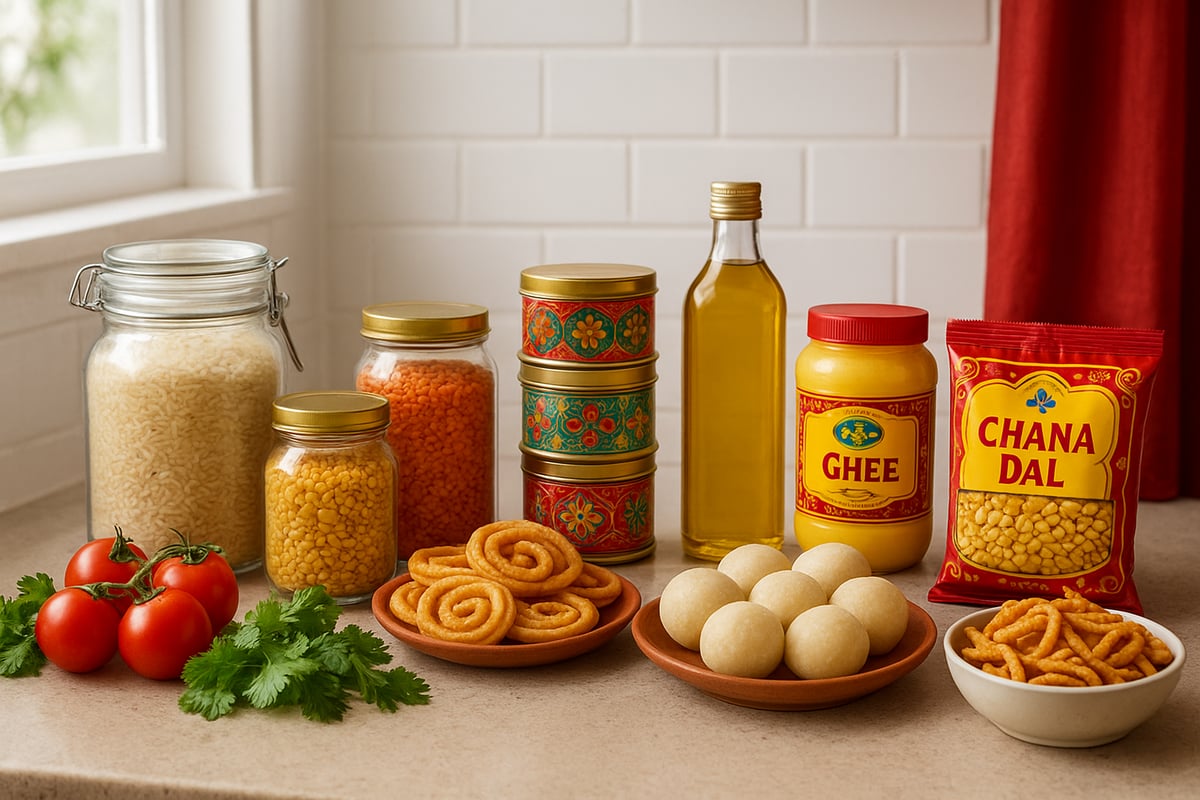
The backbone of Indian cuisine is formed by a diverse range of rice, grains, and flours. Basmati rice remains a star in biryanis and pulaos, while sona masoori is perfect for everyday meals. Jasmine rice and millets are gaining ground, offering unique textures and nutritional benefits.
Whole wheat atta is essential for soft rotis and chapatis, and besan (chickpea flour) is used in savory snacks and batters. Shoppers at the indian grocery store now find more gluten-free and organic options than ever before. For those who want to explore further, this Guide to essential Indian pantry staples provides a detailed look at the variety available.
Store grains and flours in airtight containers in a cool, dry place to maintain freshness.
Lentils, Beans, and Pulses: Protein Powerhouses
A visit to the indian grocery store reveals shelves lined with brightly colored dals and beans. Toor dal, moong dal, chana dal, and urad dal are pantry staples for everyday cooking. Kidney beans (rajma) are a must for hearty North Indian dishes.
These protein-rich ingredients are not just nutritious but also versatile. They form the base for dals, stews, and salads. With the pace of modern life, ready-to-cook and pre-soaked pulses are increasingly popular, making it easier to prepare meals quickly.
Remember to rotate your stock and check packaging dates for optimal quality.
Oils and Ghee: The Heart of Indian Cooking
Choosing the right cooking fat is essential for authentic flavor. The indian grocery store typically offers mustard oil for pungent Bengali dishes, coconut oil for South Indian cuisine, and sunflower oil for everyday use. Specialty oils like groundnut and sesame cater to regional preferences.
Ghee, a clarified butter, is prized for its rich aroma and health benefits. It’s used for tempering spices and finishing dishes. Modern health trends have positioned ghee as a source of healthy fats, and many stores now stock organic and grass-fed varieties.
Select oils and ghee in small batches to ensure freshness, and store them away from direct sunlight.
Spices and Masalas: Flavor Essentials
No trip to the indian grocery store is complete without visiting the spice aisle. Must-have spices include cumin, coriander, turmeric, cardamom, and chili powder. Garam masala, a blend of warming spices, is crucial for countless recipes.
Whole spices keep their flavor longer than ground versions. Decide whether to buy in bulk or smaller quantities based on your cooking habits. Spice blends, or masalas, save time and add complexity to dishes.
Store spices in airtight tins or jars, away from heat and moisture, to preserve their potency.
Sauces, Pastes, and Condiments
The indian grocery store offers a world of flavor boosters. Ginger-garlic paste is a staple in marinades and curries, while tamarind concentrate adds tang to chutneys and soups. Popular condiments include an array of pickles and chutneys, each bringing a unique punch.
Fusion sauces and internationally inspired flavors are on the rise, reflecting the evolving palate of Indian cuisine lovers. These modern additions help elevate everyday meals and make experimenting with new dishes easier.
Always check labels for preservatives and allergens if you have dietary restrictions.
Snacks, Sweets, and Beverages
Indian snacking is an adventure in itself. The indian grocery store is stocked with classics like samosas, bhujia, and chakli. Packaged sweets such as gulab jamun and rasgulla are perfect for celebrations or quick indulgences.
Health-conscious shoppers will find vegan and baked snack options alongside traditional favorites. Popular drinks include chai, masala tea blends, lassi, and ready-to-drink beverages for convenience.
Try a new snack or sweet on each visit, and store treats in airtight containers to keep them fresh.
Fresh, Frozen, and Specialty Products: What’s New for 2025
The landscape of the indian grocery store is rapidly evolving, with a remarkable array of fresh, frozen, and specialty products now available. Whether you are a seasoned cook or new to Indian cuisine, these offerings make it easier than ever to bring authentic flavors home. Let’s explore the latest trends and must-have items redefining shopping in 2025.
Fresh Produce: Indian Fruits and Vegetables
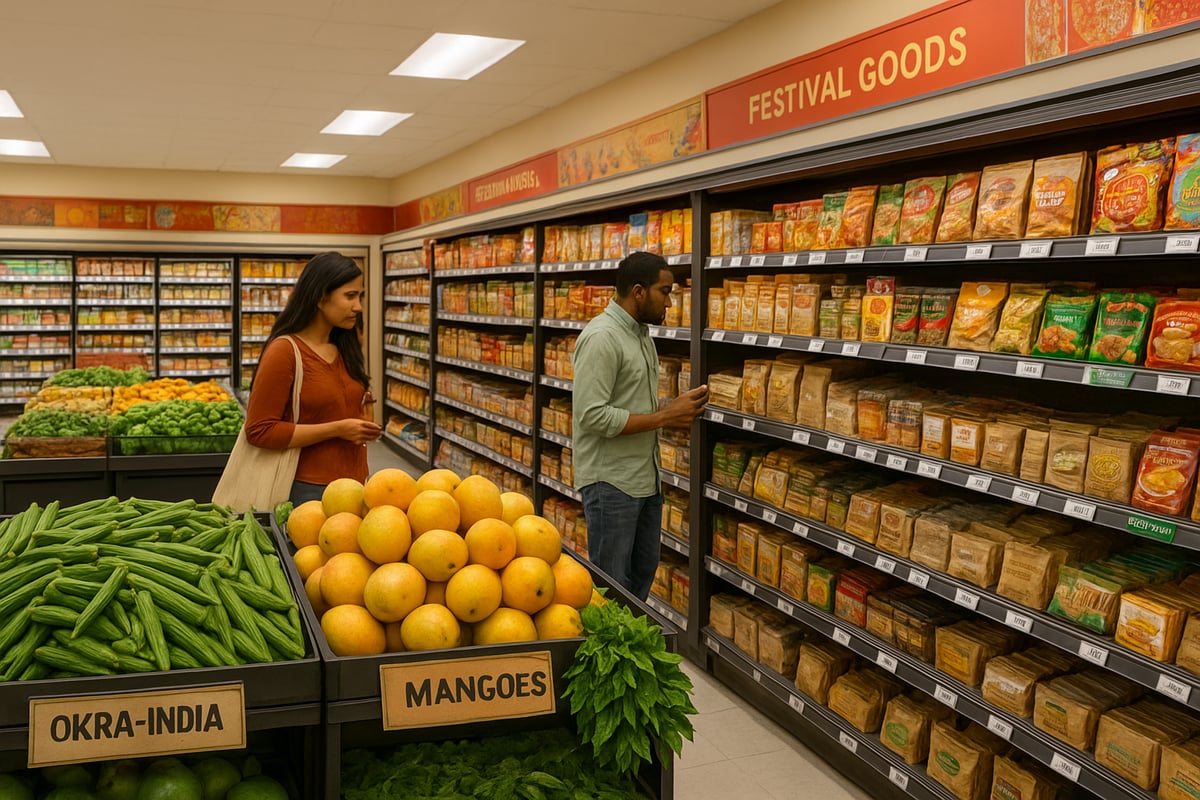
Step into the produce section of the indian grocery store and you will find a colorful selection that celebrates India’s agricultural heritage. Shoppers can pick up okra, eggplant, bitter gourd, drumsticks, and fresh mangoes, along with aromatic curry leaves.
Seasonal availability remains a challenge, so many stores now source both locally and globally to ensure freshness. Organic and hydroponic produce is on the rise, offering cleaner choices for health-conscious customers. Proper labeling helps you identify origin and seasonality, making it easier to plan meals around peak flavors.
Frozen Foods: Convenience Meets Tradition
Frozen foods have become a cornerstone for busy families visiting the indian grocery store. Popular items include ready-to-cook parathas, samosas, dosa batter, and mixed vegetables.
Advances in freezing technology mean that taste and texture are now closer to fresh, preserving traditional recipes without extra effort. This section is a lifesaver for quick weeknight meals, especially for those new to Indian cooking. Many stores also offer frozen regional specialties, so you can enjoy authentic flavors year-round.
Dairy, Vegan, and Plant-Based Alternatives
Dairy products remain a staple in the indian grocery store, with paneer, yogurt, and ghee in high demand. These ingredients form the backbone of countless Indian dishes.
The rise of veganism and dietary awareness has led to a surge in plant-based alternatives, such as vegan paneer, coconut yogurt, and oat milk. Lactose-free and allergy-friendly options are now widely available, making traditional Indian cuisine accessible to everyone. Look for clear labeling and specialty sections to find the best fit for your needs.
Ready-to-Eat and Meal Kits
The ready-to-eat segment is booming in the indian grocery store. Shoppers can now find curries, biryani kits, and complete meal solutions that cut down on prep time without sacrificing taste.
Innovative packaging ensures freshness and easy reheating, making these kits especially popular among young professionals and students. Many brands offer a range of spice levels and dietary options, so there is something for every palate. Meal kits empower even novice cooks to enjoy homemade Indian meals in minutes.
Specialty and Regional Ingredients
Diversity is a hallmark of the indian grocery store, and nowhere is this clearer than in the specialty aisle. Unique products like black salt, asafoetida, and kokum are essential for regional recipes.
Stores now stock a wider range of pickles, spice blends, and fusion products that blend Indian and global flavors. This section is perfect for adventurous cooks looking to experiment or recreate dishes from different parts of India. Staff recommendations and in-store guides often help you discover new favorites.
Festival and Spiritual Essentials
Celebrating Indian festivals begins at the indian grocery store, where you can find everything from pooja kits and incense to traditional sweets and decorative items. During major festivals, stores curate special collections and bundled packs for added convenience.
Many shoppers now prefer online ordering for these essentials, especially for hard-to-find items or last-minute needs. For a comprehensive selection of festival and pooja store essentials, dedicated online platforms make the process seamless. These offerings help keep cultural traditions alive, no matter where you are in the world.
The Spice Aisle Decoded: Must-Have Spices and How to Use Them
Exploring the spice aisle at the indian grocery store is a sensory adventure. The aromas and colors instantly transport you to bustling markets across India. Whether you are stocking your first pantry or seeking new flavors, understanding this aisle unlocks the key to authentic and modern Indian cooking.
Spotlight on Classic Spices
At the heart of the indian grocery store, classic spices like turmeric, cumin, coriander, and mustard seeds form the foundation of countless dishes. Turmeric brings a golden hue and anti-inflammatory benefits, while cumin and coriander add earthy, citrusy notes. Mustard seeds are essential for tempering, releasing a nutty flavor when popped in hot oil.
Cardamom and chili powder are also staples, used in both savory and sweet recipes. Their popularity has soared globally, with turmeric lattes and cumin-rich curries appearing on menus worldwide. For those seeking an easy start, Authentic Indian spices and masalas offer curated selections that capture the essence of Indian cuisine.
Spice Blends and Regional Masalas
Walking through the indian grocery store, you will notice shelves lined with masalas and spice blends unique to every region. Garam masala, a warming blend of cinnamon, cloves, and cardamom, is used in North Indian curries. Sambar powder brings a tangy, spicy kick to South Indian stews, while chaat masala offers a zesty sprinkle for street snacks.
Choosing between pre-made blends and making your own depends on your cooking style. Pre-mixed options provide convenience and consistency, while homemade blends let you tailor the flavors. Experimenting with different brands or regional variations is a great way to discover new favorites.
Storage, Freshness, and Buying Tips
The indian grocery store offers spices in both whole and ground forms. Whole spices retain their flavor longer and can be freshly ground at home, while ground spices save time but may lose potency quicker. Storing spices in airtight containers, away from heat and sunlight, preserves their aroma and strength.
| Type | Shelf Life | Best Use |
|---|---|---|
| Whole | 1-2 years | Grinding fresh |
| Ground | 6-12 months | Quick seasoning |
When shopping, look for vibrant colors and strong scents. Reading labels helps avoid additives. Avoid buying more than you can use in a year for maximum freshness at the indian grocery store.
Cooking Techniques and Pairings
Cooking with spices from the indian grocery store is all about layering flavors. Techniques like tempering (heating spices in oil), roasting, and grinding bring out depth and complexity. For example, tempering mustard seeds and cumin seeds at the start of a recipe releases bold flavors.
Pairing spices is an art. Turmeric, cumin, and coriander often work together in dals and curries. Cardamom and saffron elevate desserts. Try adding a pinch of garam masala at the end of cooking for a fragrant finish. Experimenting with new combinations keeps your meals exciting and fresh.
Exploring New and Trending Spices for 2025
As global tastes evolve, the indian grocery store keeps innovating. Emerging spices like kala jeera (black cumin) and panch phoron (a Bengali five-spice blend) are gaining popularity. Fusion blends, such as curry masala with Mediterranean herbs, reflect growing culinary crossovers.
More shoppers are seeking organic and sustainable spice options. Brands now offer eco-friendly packaging and fair-trade certifications. Staying curious and open to trends ensures your kitchen keeps pace with the vibrant world of Indian cuisine.
Shopping Smart: Modern Tips for the Indian Grocery Store
Shopping at the indian grocery store in 2025 is a dynamic experience, blending tradition with innovation. Whether you are a seasoned cook or a first-time visitor, mastering these modern tips will help you make the most of your trip. Let us explore practical strategies for saving money, reading labels, embracing technology, and staying connected to the community.
Budgeting and Bulk Buying Strategies
Managing your budget at the indian grocery store starts with a plan. Begin by making a list based on your weekly meals. This helps prevent impulse buys and saves time.
Consider buying essential items like rice, lentils, and spices in bulk. Bulk buying often means lower prices per unit, and many stores offer extra discounts for larger purchases. Take advantage of loyalty programs and seasonal deals for additional savings.
Compare prices between physical stores and online platforms. Many times, store brands and generic products offer the same quality as premium ones, but at a better price. Staying alert to special offers can turn the indian grocery store into a budget-friendly destination.
Reading Labels and Understanding Certifications
Understanding labels is crucial at the indian grocery store, especially with the wide variety of products available. Look for certifications like organic, non-GMO, vegan, halal, or gluten-free to match your dietary needs.
Always check the ingredient list for allergens or additives. Indian products sometimes feature unique certifications, such as FSSAI for food safety. Take a moment to compare labels between brands for nutritional information.
If you are uncertain about a product, do not hesitate to ask store staff for guidance. Mastering label reading ensures you make informed choices while shopping at the indian grocery store.
Embracing Technology: Apps, Online Shopping, and Delivery
Technology is transforming the indian grocery store experience. Many stores now offer mobile apps with features like digital shopping lists, recipe integration, and personalized deals. Online marketplaces provide access to specialty items that may not be available locally.
Subscription services deliver essentials straight to your door, while contactless payment and AI-powered shopping assistants speed up the checkout process. According to 8 Grocery Industry Trends to Watch in 2025, innovations like electronic shelf labels and smart carts are making shopping more efficient.
Embrace these tools to streamline your visits and make the indian grocery store work for your busy lifestyle.
Sustainability and Eco-Friendly Shopping
Sustainability is at the forefront of the indian grocery store in 2025. Many stores now use recyclable packaging, offer bulk bins, and encourage reusable shopping bags. Some are even introducing refill stations for oils and grains.
Look for eco-friendly brands that use minimal or compostable packaging. Participate in store-led recycling programs to reduce your carbon footprint. As highlighted in Grocery Trends 2025: Transforming the Store, industry leaders are prioritizing green initiatives and sustainable sourcing.
Choosing sustainable options supports both the environment and your community at the indian grocery store.
Community, Loyalty, and Cultural Engagement
Beyond shopping, the indian grocery store is a vibrant community hub. Participate in cooking classes, festival celebrations, or tasting events to connect with fellow shoppers and learn new skills.
Loyalty programs reward frequent customers with exclusive discounts or special offers. Many stores host forums or social media groups where you can share recipes and experiences.
Supporting the indian grocery store not only enriches your pantry but also helps small businesses thrive and keeps cultural traditions alive in your neighborhood.
Global Food Hub: Your Online Destination for Indian Grocery Essentials
Imagine exploring the vibrant world of the indian grocery store from your home. Global Food Hub makes this possible as the EU’s largest online supermarket specializing in Indian and Asian groceries. Whether you are seeking authentic pantry staples, the freshest spices, or unique snacks, you will find everything curated for your needs.
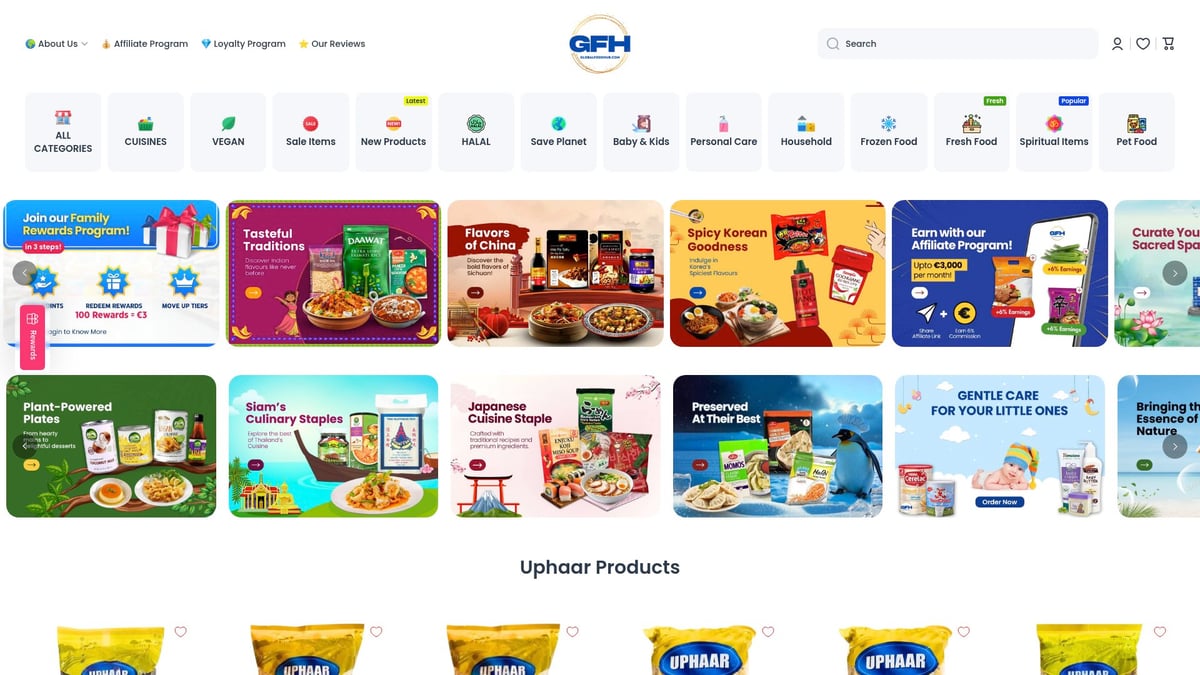
The platform stands out for its wide selection, catering to vegan, halal, gluten-free, and organic preferences. With easy online ordering, fast home delivery, and dedicated festival collections, shopping for the indian grocery store essentials has never been more convenient. Global Food Hub is the perfect one-stop shop for both first-timers and lifelong fans of Indian cuisine.
Having explored the essentials for navigating an Indian grocery store in 2025—from pantry staples and spices to smart shopping tips and sustainability trends—you now have all the insights to build your dream kitchen. If you’re ready to put this knowledge into action and stock up on authentic ingredients, Global Food Hub makes it simple. With a wide range of products tailored to every dietary preference and easy online ordering, you can bring the vibrant flavors of India and Asia right to your doorstep. Explore their curated collections and start your culinary journey today—Shop Now.


