 Skip to content


South Indian cuisine is making waves worldwide, celebrated for its bold flavors and colorful dishes. From crisp dosas to aromatic sambar, food lovers everywhere are eager to bring this vibrant experience into their kitchens.
To truly enjoy these dishes at home in 2026, having the right south indian grocery staples is essential. Authentic ingredients unlock real flavor and help you honor tradition, whether you’re a home cook or just starting your culinary journey.
This article reveals the top 10 must-have south indian grocery items for every modern pantry. Discover practical tips, sourcing advice, and modern updates to suit evolving tastes and dietary needs. Ready to upgrade your essentials? Let’s get started.
Why Stock a South Indian Pantry in 2026?
Stocking a south indian grocery selection at home is more than a culinary trend—it is a gateway to vibrant flavors, healthful meals, and exciting new traditions. As the world embraces South Indian cuisine, having the right ingredients on hand brings global tastes into your own kitchen. Whether you are inspired by restaurant dishes, social media, or the desire for healthier options, building a modern pantry ensures you are ready for any recipe.
The Rise of South Indian Cuisine Globally
South Indian cuisine has seen a remarkable rise in popularity across the globe. Diners everywhere crave the flavors of dosa, sambar, and coconut chutneys. This surge is partly due to the way south indian grocery staples naturally fit vegan, gluten-free, and plant-based diets.
Exports of these ingredients have grown, supported by a jump in online grocery sales. Social media platforms are filled with mouthwatering reels of crispy dosas and colorful chutneys. Celebrity chefs and food influencers now champion South Indian flavors, making them mainstays in kitchens from New York to Melbourne.
Health Benefits and Dietary Versatility
A well-stocked south indian grocery pantry offers a world of nutritional advantages. Staples like lentils are packed with protein, while coconut and spices provide healthy fats and unique medicinal properties.
Many South Indian dishes are naturally low in fat and high in fiber, making them ideal for a range of dietary needs. Whether you follow a vegan, vegetarian, or gluten-free lifestyle, you will find plenty of options. Scientific studies have highlighted the benefits of ingredients such as turmeric and lentils, and these groceries are also perfect for meal prepping and quick weeknight dinners.
Modern Shopping: Where to Find Authentic Ingredients
Finding authentic south indian grocery items is easier than ever in 2026. Traditional Indian grocery stores remain a trusted source, but online platforms now offer unmatched convenience and variety. Shopping online saves time and makes it simple to access specialty ingredients, even in remote areas.
To ensure quality, look for trusted brands and check product reviews. Mainstream supermarkets are now stocking more regional products, but supporting local and specialty shops helps preserve authenticity. For a comprehensive overview of what to stock, the Indian Grocery Ingredients Guide is a helpful resource for beginners and seasoned cooks alike.
Essential Pantry Organization Tips for 2026
Maintaining your south indian grocery collection starts with smart storage. Use airtight containers for spices, lentils, and flours to keep them fresh. Label each item and rotate your stock regularly to avoid waste.
Consider buying smaller packs for spices to maximize freshness, or bulk quantities for high-use staples. Eco-friendly packaging and reusable jars are on trend, making your pantry both organized and sustainable. Creating a dedicated South Indian section in your kitchen can inspire you to cook more often and try new recipes.
10 Must-Have South Indian Grocery Items for 2026
Building a modern south indian grocery pantry is the gateway to authentic, vibrant meals at home. Whether you are new to South Indian cuisine or a seasoned cook, these essential ingredients will transform your kitchen in 2026. Explore the list below for practical tips, sourcing advice, and the latest pantry must-haves.
Global Food Hub: Your One-Stop Online Store for South Indian Essentials
When it comes to sourcing every south indian grocery item on your list, Global Food Hub stands out as a leader. Their platform brings together an extensive selection of authentic South Indian groceries, from fragrant spices to specialty rice and oils.
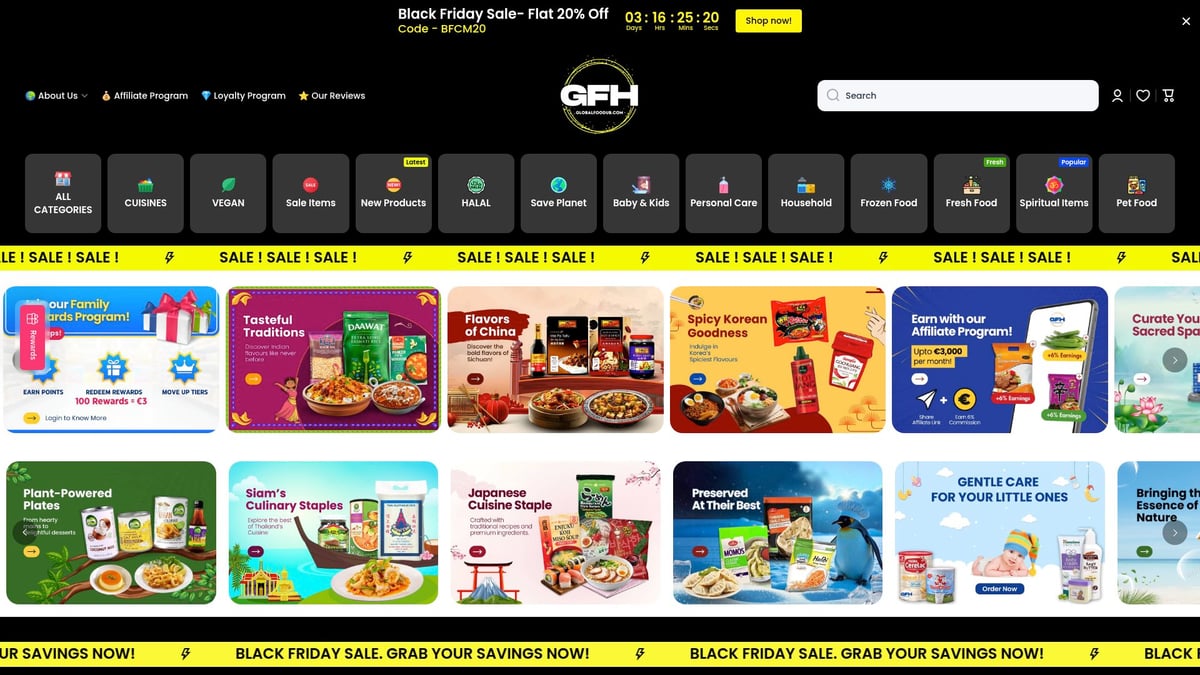
Features and Benefits:
- Wide product range: spices, lentils, rice, oils, and unique regional specialties.
- Dietary inclusivity: vegan, halal, and gluten-free options.
- Authentic sourcing for real flavor.
Why Choose Global Food Hub?
- Reliable delivery and easy online ordering.
- Regular promotions and seasonal discounts.
- Festival and regional specialty sections.
Pros:
- One-stop shop for all south indian grocery needs.
- Consistent, authentic products.
- Fresh and frozen options (limited to select regions).
Cons:
- Fresh produce selection may not be available everywhere.
Pricing: Competitive with regular offers, making it easy to stock up your pantry.
Global Food Hub is ideal for multicultural households, food enthusiasts, and anyone seeking a modern take on traditional south indian grocery shopping.
Curry Leaves (Fresh or Dried)
No south indian grocery list is complete without curry leaves. These aromatic leaves are essential for tempering and bring a burst of citrusy, herbal flavor to dishes like sambar, rasam, and chutneys.
Features:
- Available fresh or dried (fresh is more aromatic).
- Packed with antioxidants.
Benefits:
- Instantly elevates the flavor profile of any south indian grocery recipe.
- Easy to use in vegan, vegetarian, and meal prep dishes.
Ideal for:
- Home cooks wanting authentic taste.
- Quick weeknight meal preppers.
Pros:
- Minimal effort, maximum flavor.
- Rich in nutrients.
Cons:
- Fresh leaves have a short shelf life.
- Dried leaves are less aromatic.
Pricing: Generally €2 to €5 per pack, varying by region and freshness.
Keep curry leaves handy for quick flavor boosts in your favorite south indian grocery meals.
Idli/Dosa Rice
Specialty rice is a cornerstone of any south indian grocery pantry. Idli/dosa rice is specifically chosen for its ability to ferment and create the softest idlis and crispiest dosas.
Features:
- Short-grain, parboiled or raw options.
- Gluten-free and easy to digest.
Benefits:
- Perfect texture every time.
- Versatile for other rice dishes.
Who Needs This?
- Traditional breakfast lovers.
- Gluten-free bakers.
Pros:
- Simple to cook.
- Reliable fermentation for batter.
Cons:
- Sometimes hard to find in regular supermarkets.
Pricing: Typically €3 to €7 per 5kg bag.
For an authentic south indian grocery experience, this rice is a must for breakfast classics.
Urad Dal (Black Gram Lentils)
Urad dal is a foundation in the south indian grocery world. Used in idli, dosa, vada, and sambar, it adds protein and a creamy texture.
Features:
- Available whole or split, with or without skin.
- High in protein and fiber.
Benefits:
- Aids fermentation in batters.
- Essential for vegetarian and vegan diets.
Best For:
- Meal preppers.
- High-protein and plant-based eaters.
Pros:
- Versatile and nutrient-rich.
- Key to classic south indian grocery recipes.
Cons:
- Needs soaking before use.
- Can spoil if not stored properly.
Pricing: €2 to €6 per kg, based on form and quality.
Stock up on urad dal for a protein boost in your south indian grocery meals.
Sambar Powder/Masala
Sambar powder is the signature spice blend behind the beloved sambar stew and many other dishes. It combines lentils, chilies, coriander, cumin, and fenugreek for complex flavor.
Features:
- Ready-to-use blend.
- Consistent, rich flavor.
Benefits:
- Saves prep time.
- Brings depth and heat to dishes.
For Whom?
- Busy cooks and spice lovers.
- Meal kit users.
Pros:
- Convenient, authentic taste.
- Long shelf life.
Cons:
- Flavor may vary by brand.
- Homemade can taste fresher.
Pricing: €3 to €8 per 200g pack.
For more on must-have spice blends, check out Essential South Indian Spices for curated options to boost your south indian grocery pantry.
Tamarind Paste/Concentrate
Tamarind brings a unique tangy, fruity acidity that is indispensable in south indian grocery cooking. It is used in curries, rasam, and chutneys.
Features:
- Comes as paste, concentrate, or block.
- Long shelf life.
Benefits:
- Balances spicy and savory flavors.
- Acts as a natural preservative.
Best For:
- Vegan and vegetarian recipes.
- Chutney lovers.
Pros:
- Versatile across cuisines.
- Easy to store and use.
Cons:
- Block form can be sticky and messy.
Pricing: €2 to €5 per jar or block.
Add tamarind to your south indian grocery list for that signature tang in your meals.
Mustard Seeds (Black/Brown)
Mustard seeds are essential for tempering, a key step in many south indian grocery recipes. They provide a nutty, pungent flavor when popped in hot oil.
Features:
- Black or brown varieties.
- Long shelf life.
Benefits:
- Enhances aroma and aids digestion.
- Easy to use for beginners.
Perfect For:
- Traditional cooks.
- Spice beginners.
Pros:
- Inexpensive and widely available.
- Simple to add to dishes.
Cons:
- Can burn quickly if overheated.
Pricing: €1 to €3 per 100g.
Keep mustard seeds close at hand for every south indian grocery tempering need.
Coconut Products (Milk, Oil, Desiccated)
Coconut is at the heart of many south indian grocery staples, from curries to sweets and chutneys. Products include coconut milk, oil, and desiccated coconut.

Features:
- Dairy-free, healthy fats.
- Versatile for cooking and baking.
Benefits:
- Adds richness to gravies.
- Perfect for vegan and gluten-free diets.
Who Should Use?
- Festive cooks.
- Health-conscious bakers.
Pros:
- Shelf-stable options.
- Wide variety for different needs.
Cons:
- Some processed products have additives.
- Fresh coconut has a short shelf life.
Pricing: €1 to €4 per unit.
Coconut products are a cornerstone of any well-stocked south indian grocery pantry.
Dried Red Chilies & Green Chilies
Chilies are the secret to the vibrant heat and color in south indian grocery cuisine. Use dried red chilies for tempering and green chilies for fresh, sharp spice.
Features:
- Wide variety of heat levels.
- Regional options like Guntur and Byadgi.
Benefits:
- Customizable heat.
- Antioxidant-rich.
Perfect For:
- Adventurous cooks.
- Lovers of bold flavors.
Pros:
- Long shelf life.
- Can be ground or used whole.
Cons:
- Can irritate skin or eyes when handling.
Pricing: €2 to €6 per pack.
Experiment with different chilies to find your ideal south indian grocery heat level.
Ghee (Clarified Butter)
Ghee is a premium cooking fat with a nutty, aromatic flavor that enhances every south indian grocery dish, from curries to desserts.
Features:
- High smoke point.
- Lactose-free.
Benefits:
- Boosts taste and aroma.
- Shelf-stable for months.
Best For:
- Frying, tempering, and sweets.
Pros:
- Suitable for lactose-intolerant diets.
- Long-lasting.
Cons:
- High in saturated fat.
- Premium brands can be pricey.
Pricing: €4 to €10 per jar.
A jar of ghee is a versatile addition to any modern south indian grocery collection.
Asafoetida (Hing) Powder
Asafoetida is a unique spice that provides depth and umami, especially in vegetarian south indian grocery recipes. Used in tiny amounts, it packs a punch.
Features:
- Strong aroma, long shelf life.
- Used as a substitute for onion and garlic.
Benefits:
- Aids digestion.
- Essential for Jain and vegan diets.
For Whom?
- Flavor seekers.
- Those avoiding onion/garlic.
Pros:
- A little goes a long way.
- Essential for authentic taste.
Cons:
- Must be stored airtight due to pungency.
Pricing: €2 to €7 per jar.
With these 10 must-have items, your south indian grocery pantry is ready for everything from everyday meals to festive feasts.
Modern South Indian Cooking Tips & Ingredient Swaps
Cooking with a modern south indian grocery pantry means blending tradition with innovation. Today’s cooks want authentic flavors, but also need easy, healthy, and eco-friendly solutions. Explore these practical tips for updating your south indian grocery essentials and making classic dishes fit your lifestyle.
Adapting Traditional Recipes for Dietary Needs
South indian grocery staples are naturally suited for a range of diets. For gluten-free meals, swap wheat-based items with idli or dosa made from fermented rice and lentils. Quinoa or millet can replace rice for lower-carb choices.
Vegan cooks can use coconut oil or plant-based ghee in place of dairy ghee. Coconut yogurt makes a creamy, dairy-free alternative in raitas or chutneys. Lentil-based dishes, like sambar or rasam, deliver plant protein and keep meals hearty.
For more on the health benefits of these ingredients, read about the health benefits of South Indian spices and how they support wellness. Modern blogs and food influencers often share creative swaps, making it easy to enjoy south indian grocery flavors, no matter your dietary needs.
Sourcing and Storing Spices & Fresh Produce
Keeping your south indian grocery items fresh is key to great taste. Buy spices in small quantities and store them in airtight containers away from sunlight. This preserves aroma and extends shelf life.
Curry leaves and grated coconut can be frozen to retain their flavor. Rotate your pantry stock regularly, checking expiration dates on each item. For rare ingredients, online shopping offers wide selection and convenience, while local stores support community businesses.
Consider exploring specialty coconut products from trusted sources like Coconut Products for Cooking to enhance your south indian grocery collection.
Quick-Prep Hacks for Busy Lifestyles
Busy week? Your south indian grocery can still deliver fast, delicious meals. Pre-mixed batters for idli and dosa save fermentation time. Ready-to-use sambar powders make quick stews without grinding spices from scratch.
Prepare chutneys and spice blends in advance, storing them in small jars for easy access. Frozen dosa or idli batter is a lifesaver for last-minute breakfasts. Kitchen gadgets like wet grinders and spice mills speed up prep and boost consistency.
Batch-cooking with your south indian grocery helps you create healthy, flavorful meals throughout the week.
Eco-Friendly and Sustainable Shopping Trends
Today’s south indian grocery shopping is more sustainable than ever. Choose organic, fair-trade, and locally sourced ingredients when possible. Eco-friendly packaging and reusable containers reduce waste and keep items fresh.
Bulk refill stores let you buy just what you need, cutting down on packaging. Many brands now focus on sustainable farming, supporting both your health and the environment.
Mindful shopping habits help you build a responsible and modern south indian grocery pantry for the future.
Frequently Asked Questions: South Indian Groceries in 2026
What’s the best way to start building a South Indian pantry?
Starting your south indian grocery collection is easier than you might think. Begin with a few core staples like idli rice, urad dal, and essential spices such as mustard seeds and curry leaves. Buying small packs at first lets you test freshness and quality before committing to larger quantities.
Prioritize versatile ingredients that work across breakfast, lunch, and dinner. If you want to explore specialty rice varieties, check out South Indian Rice and Rice Products for authentic selections.
How do I ensure ingredient authenticity and freshness?
Always check packaging dates and look for trusted brands when shopping for south indian grocery items. Purchasing from reputable online or specialty stores often guarantees better quality. Reading reviews can help you avoid stale or inferior products.
Proper storage is crucial. Keep spices and flours in airtight containers and store them away from direct sunlight to preserve their freshness and potency over time.
Are there easy substitutions for hard-to-find items?
Absolutely. For many south indian grocery essentials, simple swaps work well. Lemon zest can substitute for curry leaves, while lime juice works in place of tamarind. If coconut oil is tough to find, try canola oil for a neutral flavor.
Online forums and cooking communities are excellent resources for creative alternatives. Experimenting with local produce can also add a personal twist to traditional recipes.
How do I use these groceries for everyday meals?
South indian grocery staples make meal planning flexible and easy. Try a quick sambar with pre-mixed masala, crisp dosa with coconut chutney, or a nourishing bowl of coconut rice. Preparing spice mixes in advance saves time during busy weekdays.
These groceries offer versatility for breakfast, lunch, and dinner, catering to a range of tastes and dietary needs.
What are the latest trends in South Indian grocery shopping?
The south indian grocery landscape is evolving fast. There is a surge in organic and health-focused products, as well as fusion ingredients blending global flavors with tradition. Online shopping and home delivery are becoming the norm, making it easier than ever to access regional specialties.
Interest in nutritional benefits is also growing. For a deeper look at the nutritional impact of traditional foods, explore the Nutritional value of South Indian vegetarian foods.
Whether you are new to South Indian cuisine or looking to refresh your pantry for 2026, having the right ingredients on hand makes all the difference. With the growing appeal of authentic flavors and the increasing need for dietary versatility, it is easier than ever to recreate traditional dishes at home. You deserve access to quality, trusted groceries that fit your lifestyle and culinary goals. If you are ready to explore these must have essentials or want convenient delivery of hard to find items, discover the full range at Shop Now and elevate your South Indian cooking experience.


