


Imagine a world where your favorite cuisines and rare ingredients are all at your fingertips, thanks to the rise of the global food hub. This new way of connecting cultures and flavors is transforming how we eat in 2025.
This essential handbook is your guide to navigating the global food hub landscape. Discover how to access diverse, sustainable, and authentic foods from around the world.
Inside, you will learn what a global food hub is, explore its key benefits, find out how to choose and use the right one, stay ahead of the latest trends for 2025, and pick up practical tips for making the most of every food hub experience. Get ready to join the global food revolution.
Understanding Global Food Hubs: Definition and Evolution
Curious about how a global food hub is changing the way the world eats? This section breaks down what makes these hubs unique, how they evolved, the many types you can find, their key advantages, and the major challenges they face in today's fast-moving food landscape.
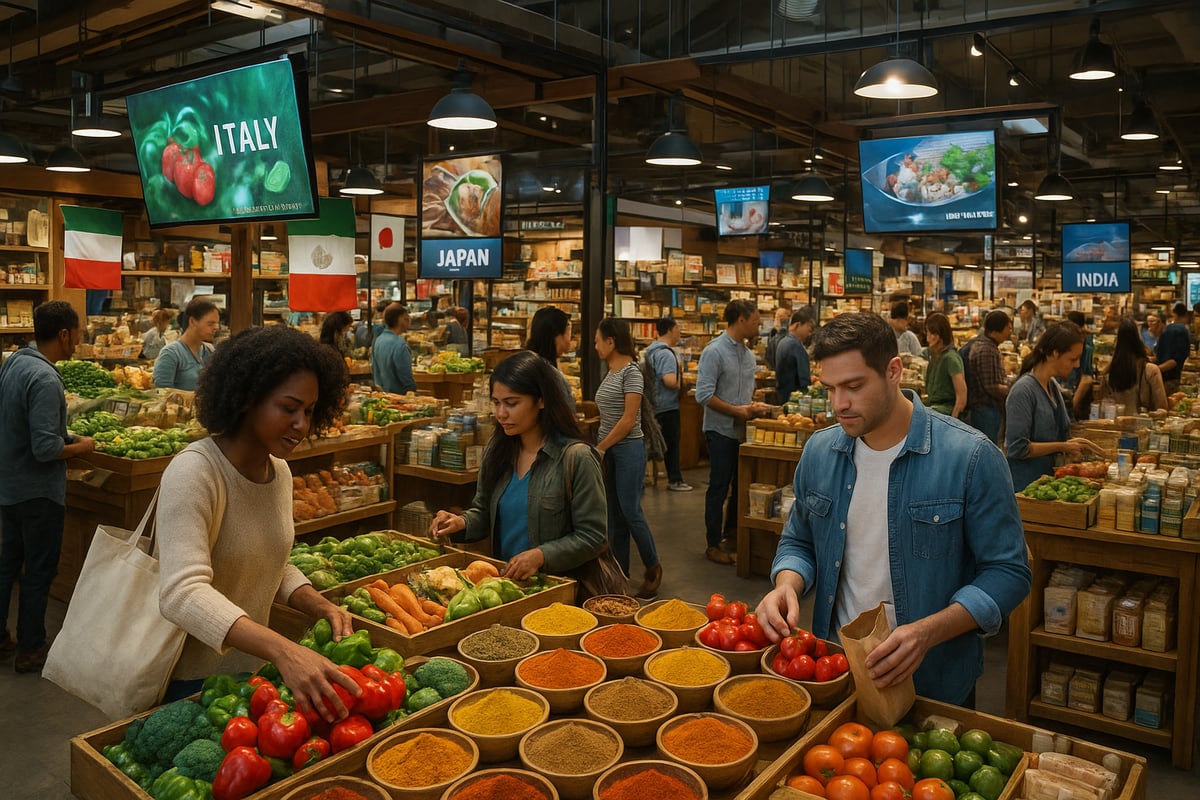
What Are Global Food Hubs?
A global food hub is a central access point that brings together foods from around the world, making it easy for consumers to find diverse products in one place. Unlike traditional supermarkets, which often focus on local or regional items, a global food hub specializes in international variety and cultural inclusivity.
Major hubs, such as those in Singapore, Rotterdam, and New York, connect buyers to products like Asian spices, African grains, and Latin American fruits. Core features include accessibility, wide product diversity, and efficient distribution networks. These hubs are designed to serve both individuals and businesses who crave more than what a local market offers.
The Evolution of Food Hubs
The journey of the global food hub began with local market cooperatives, gradually expanding as globalization and urbanization picked up speed. Technology, especially e-commerce, played a huge role in transforming these hubs from small, community-focused centers to large-scale, international operations.
Today, innovations like blockchain, AI, and real-time logistics are streamlining how food is sourced and delivered. According to the World Economic Forum on Food Innovation Hubs, these advancements have created new opportunities for transparency, efficiency, and international collaboration. Notable milestones include the first online food hub launches in the early 2010s and the rapid growth in cross-border delivery between 2020 and 2025.
Types of Food Hubs
A global food hub can take many forms, each serving different needs. The main types include:
- Community-based hubs: Focused on local farmers and small producers.
- Commercial hubs: Large-scale, often serving retailers and restaurants.
- Online hubs: Digital marketplaces, growing rapidly in Europe and Asia.
- Physical hubs: Brick-and-mortar markets in major cities.
- Specialized hubs: Offering organic, ethnic, or sustainable foods.
Regional trends show 15% annual growth in EU online food hubs from 2022 to 2024, while Asia leads in specialized, culturally focused offerings. This diversity ensures that almost anyone can find a global food hub tailored to their preferences.
| Region | Growth (%) (2022-2024) | Focus Area |
|---|---|---|
| EU | 15 | Online, organic |
| US | 12 | Commercial, diverse |
| Asia | 18 | Specialized, ethnic |
Key Benefits for Consumers and Producers
A global food hub opens the door to ingredients and products that were once hard to find. Consumers gain access to authentic foods from different continents, while small producers can reach new markets. This model supports food security by diversifying supply chains and making distribution more resilient.
For instance, Asian farmers can now supply rice directly to European kitchens. According to a 2024 survey, 72% of consumers actively seek more diverse food options, highlighting the growing demand for what a global food hub offers. Producers also benefit from fairer market access and the chance to showcase their unique products.
Challenges Facing Global Food Hubs
Despite their many strengths, a global food hub faces real challenges. Complex logistics can make it hard to keep products fresh and safe, especially for perishables that require a cold chain. Cultural and regulatory differences can create barriers to entry, and sustainability is always a concern, with food waste management being a top priority.
For example, transporting tropical fruits to colder regions demands specialized storage and fast delivery to prevent spoilage. Addressing these issues is key to the long-term success of any global food hub.
How Global Food Hubs Work: From Farm to Table
Ever wondered how your favorite spices from India or fresh produce from Asia reach your plate in Europe? The journey through a global food hub is both fascinating and complex. Here, we break down each step, revealing how technology, quality control, and sustainability drive the process from farm to table.
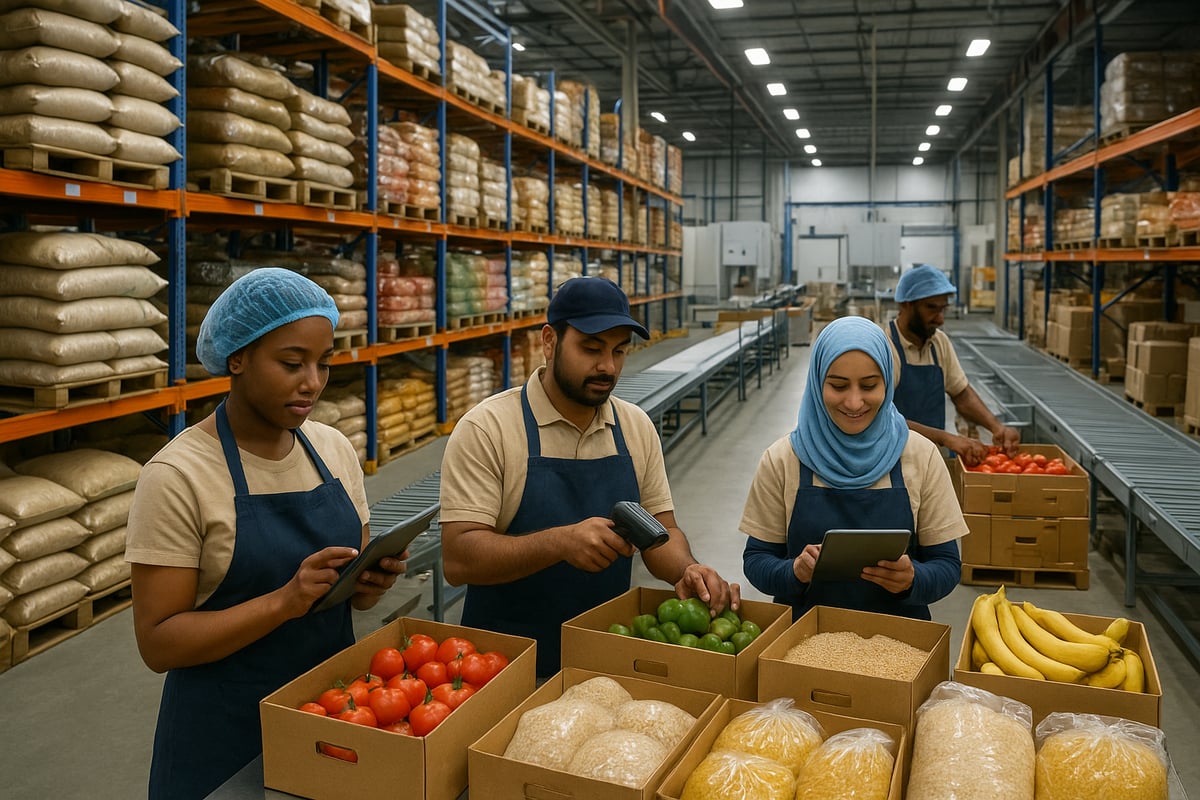
The Supply Chain Explained
A global food hub orchestrates a seamless network connecting farmers, importers, logistics partners, and retailers. The process starts with sourcing—local farmers or international producers harvest specialty products, which are then aggregated at regional centers.
From there, items are processed, sorted, and packed for distribution. For example, rice grown in India is collected, quality-checked, and shipped via container to Europe. Upon arrival, it enters a global food hub, where it is distributed to retailers or directly to consumers. According to the FAO Statistical Yearbook 2024, efficient supply chains like these are transforming food security worldwide.
Key Players Table:
| Role | Function |
|---|---|
| Farmers | Produce and harvest food |
| Importers | Manage global sourcing |
| Logistics | Handle shipping and cold storage |
| Retailers | Sell to consumers |
Each player is vital in ensuring products reach your table fresh and safe.
Technology and Innovation in Food Hubs
Technology is at the heart of every successful global food hub. Artificial intelligence forecasts demand, while blockchain ensures traceability from farm to shelf. The Internet of Things (IoT) monitors temperature and humidity during transit, guaranteeing freshness.
Digital marketplaces allow real-time inventory management, reducing shortages and overstock. In the Asian spice trade, blockchain has dramatically reduced fraud, giving consumers confidence in authenticity. These innovations streamline operations, making food hubs more reliable and transparent for all users.
Ensuring Quality and Safety
A global food hub must comply with strict international standards like ISO and HACCP. Every shipment undergoes rigorous inspection and certification before reaching the market.
Testing for contaminants, allergens, and proper labeling is routine. For instance, products are checked for accurate dietary and allergen information, so consumers can shop with confidence. This commitment to safety and transparency builds trust and loyalty among customers who rely on global food hubs for their unique culinary needs.
Sustainability Practices
Sustainability is a growing focus for every global food hub. By partnering with local and global producers who prioritize eco-friendly methods, hubs reduce food miles and carbon emissions.
Many initiatives promote upcycling and food donation to cut waste. In fact, 40% of global food hubs now offer organic options, reflecting a shift toward greener choices. These efforts help create a more resilient food system that benefits both people and the planet.
Consumer Experience and Accessibility
A modern global food hub puts the consumer at the center. Whether shopping online or visiting a physical location, platforms are designed for ease of use. Delivery options include same-day, scheduled, and click & collect services.
Urban shoppers enjoy fast delivery, while rural consumers benefit from expanded access. Multilingual support ensures everyone feels welcome, making global food hubs a bridge between cultures and communities.
Choosing the Right Global Food Hub for You
Finding the perfect global food hub can transform your culinary routine, offering unparalleled access to foods from around the world. With so many options available, knowing how to evaluate and select the best platform for your needs ensures you enjoy a seamless, rewarding experience.
Key Criteria for Selection
Choosing a global food hub starts with understanding what matters most to you. Look for platforms that offer:
- A wide product range featuring authentic global ingredients
- Inclusive options for various diets, such as vegan, halal, or gluten-free foods
- Transparent pricing and clear value for your budget
- Reliable customer service with responsive support channels
A recent survey found that 60% of shoppers prioritize inclusivity when selecting a global food hub. By focusing on these essentials, you ensure a more personalized and satisfying shopping journey.
Comparing Top Global Food Hubs
Not all platforms are created equal. Leading global food hubs in 2025 stand out for their specialty selections, user experience, and customer feedback. For example, some European hubs excel in Mediterranean and Eastern European offerings, while US-based platforms often feature extensive Asian and Latin American selections.
| Platform Region | Strengths | User Rating |
|---|---|---|
| EU | Mediterranean, Eastern European foods | 4.6/5 |
| US | Asian, Latin American groceries | 4.5/5 |
| Asia | Regional specialties, fresh produce | 4.7/5 |
Reading user reviews and comparing regional specialties will help you identify which global food hub aligns best with your preferences.
Navigating Online vs. Physical Food Hubs
Deciding between online and physical global food hub experiences depends on your lifestyle and location. Online platforms offer convenience, wider selections, and features like same-day or scheduled delivery. Physical hubs provide hands-on browsing and immediate access to fresh items.
Hybrid models, such as click and collect, blend the best of both worlds. Urban shoppers may enjoy fast delivery and diverse choices, while rural consumers benefit from curated, accessible pickup points. Consider which format best suits your daily routine and culinary ambitions.
Safety, Authenticity, and Trust Factors
Trust is crucial when shopping at a global food hub. Look for platforms that display certifications, maintain transparent supplier information, and use traceability tools to guarantee product authenticity. Reputable hubs actively combat counterfeit or low-quality foods, especially with high-demand items like spices and teas.
For instance, leading global food hubs verify each supplier and batch through rigorous checks, ensuring you receive only genuine, high-quality products. This transparency builds confidence with every purchase.
Global Food Hub: A Leading Example
One standout global food hub is Global Food Hub, known for its unique Indian and Asian grocery offerings. The platform emphasizes cultural diversity, dietary inclusivity, and festival essentials, making it a top choice for European shoppers seeking authentic experiences.
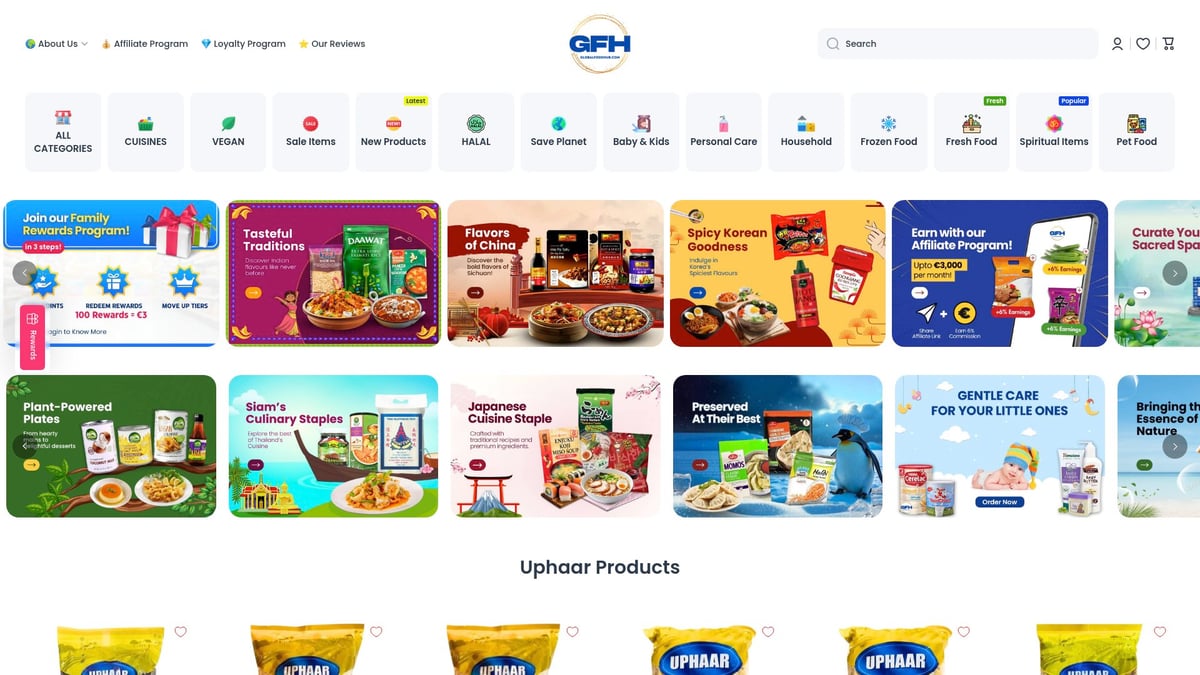
Explore specialty products and curated collections—such as those highlighted in their Indian Grocery Shopping Guide—to find everything you need for traditional celebrations or everyday cooking. Convenience, dedicated collections, and a commitment to inclusivity set this global food hub apart.
Trends Shaping Global Food Hubs in 2025
The global food hub landscape is evolving rapidly, bringing fresh opportunities for both consumers and producers. In 2025, several key trends are driving innovation, accessibility, and cultural connection within these dynamic networks. From advanced technology and sustainability to personalized culinary experiences, here is how global food hubs are transforming how the world eats.
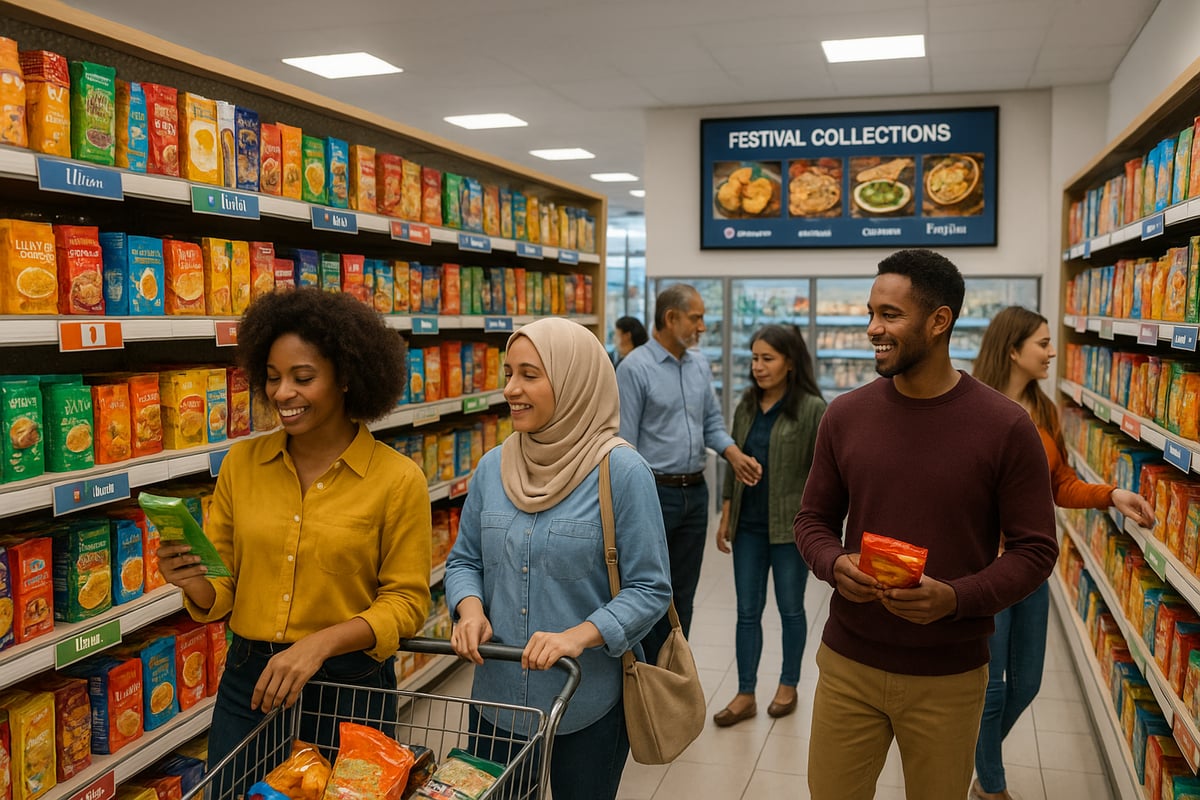
Rise of Cultural and Dietary Personalization
Personalization is at the forefront of the global food hub movement. AI-driven algorithms now curate product recommendations tailored to individual preferences, making it easier to explore new cuisines or maintain dietary restrictions.
Shoppers can filter for vegan, halal, gluten-free, or organic options, ensuring everyone finds something suitable. For example, some platforms offer meal kits customized to your taste and needs, simplifying global cooking at home.
This trend is making the global food hub experience more inclusive, bridging cultural gaps and supporting unique dietary choices worldwide.
Sustainability and Ethical Sourcing
Eco-conscious shopping is a hallmark of the modern global food hub. Shoppers increasingly demand recyclable packaging, ethical sourcing, and transparency in supply chains.
Food hubs are partnering with fair-trade farmers and local producers, boosting both environmental and social impact. According to recent industry reports, 54% of consumers factor sustainability into their choices in 2025.
Many global food hub platforms highlight carbon footprint data and offer upcycled or organic products, allowing users to make responsible decisions every time they shop.
Integration of Technology and Automation
Technology is transforming every aspect of the global food hub supply chain. Automated warehouses, smart logistics, and real-time tracking ensure faster, more reliable deliveries.
Mobile apps and voice-assisted shopping streamline the buying process, while AI chatbots provide instant customer support. The Global Food Industry Almanac 2024 highlights the surge in tech investment across the sector.
These innovations enhance efficiency, reduce errors, and make the global food hub more accessible for everyone, from urban professionals to rural families.
Expansion of Festival and Ethnic Collections
Food hubs are curating special collections for global festivals and cultural events, bringing the world’s celebrations to your doorstep. Seasonal lines feature essentials for Diwali, Lunar New Year, Ramadan, and more.
Platforms like the Festival Essentials Collection showcase curated offerings, making it easy to find authentic ingredients for traditional dishes. This trend deepens cultural connections and supports diverse communities.
By embracing these collections, the global food hub becomes a vibrant marketplace for cultural exchange and celebration.
Cross-Border Shopping and Global Delivery
International shipping is now faster and more reliable, opening up new possibilities for global food hub shoppers. Advances in customs clearance and real-time tracking give users confidence when ordering from abroad.
From 2023 to 2025, cross-border food hub sales jumped by 35%, confirming a growing appetite for international flavors. Shoppers receive updates at every step, making the process transparent and convenient.
This trend ensures that unique ingredients and specialty items from around the world are always within reach via the global food hub.
Health, Wellness, and Functional Foods
Health-focused offerings are expanding across every global food hub. Shoppers can now find superfoods, supplements, and functional snacks alongside traditional staples.
Collaborations with nutritionists and wellness brands ensure that products meet modern health standards. Gluten-free, immune-boosting, and low-sugar options are prominently featured.
The global food hub is evolving into a destination for both culinary adventure and mindful, health-conscious living.
Maximizing Your Global Food Hub Experience: Practical Tips
Unlocking the full potential of a global food hub is easier than ever, thanks to modern technology and evolving consumer needs. Whether you are a seasoned shopper or just starting, these practical tips will help you navigate your global food hub experience with confidence and creativity.
How to Shop Smart and Save
Smart shopping at a global food hub starts with planning. Compare prices across multiple platforms to find the best value for your favorite ingredients. Take advantage of loyalty programs, discounts, and seasonal promotions. Bulk buying can also help you save money, especially on staples like rice or lentils.
- Sign up for newsletters to receive exclusive offers
- Use digital coupons and cashback deals
- Track price drops for your go-to products
A global food hub often offers transparent pricing, making it simple to stick to your budget. Remember to check product reviews for added peace of mind before making a purchase.
Exploring New Cuisines and Recipes
A global food hub opens the door to culinary adventures from your own kitchen. Browse through curated recipe guides and cooking tutorials to try something new. For inspiration, explore Recipes and Cooking Inspiration, where you can discover authentic dishes from around the world.
- Experiment with meal kits for quick, global meals
- Join live cooking demos or virtual classes
- Try a themed dinner night, such as Japanese ramen or Indian curry
Let your global food hub be your passport to exploring new flavors, techniques, and traditions.
Managing Dietary Needs and Preferences
Navigating dietary restrictions is simple with a global food hub. Use advanced filters to find gluten-free, vegan, halal, or allergy-friendly products. Many platforms provide detailed nutritional information, making it easy to make informed choices.
- Save your dietary preferences in your user profile
- Look for certified labels and allergen warnings
- Request personalized recommendations from customer service
With a global food hub, you can confidently shop for everyone in your household, regardless of dietary needs.
Planning for Festivals and Special Occasions
Celebrating global holidays is effortless with a global food hub. Pre-order essentials for Diwali, Lunar New Year, or Ramadan to ensure you have everything you need. Access curated festival collections with unique treats and decorations.
- Browse seasonal specialty sections for limited-time products
- Use event reminders to get your shopping done early
- Explore starter kits for hosting multicultural gatherings
A global food hub brings the world’s festivals to your doorstep, making every celebration memorable and stress-free.
Reducing Food Waste and Supporting Sustainability
Sustainability is at the heart of many global food hub operations. Shop mindfully to reduce overbuying, and choose products with eco-friendly packaging. Participate in upcycling programs or donate surplus food through hub-supported initiatives.
- Opt for smaller portions or sample packs to try new items
- Reuse packaging or return it where possible
- Join community drives for food redistribution
By shopping at a global food hub, you contribute to a more sustainable and responsible food system.
Connecting with Community and Culture
A global food hub is more than a marketplace; it is a vibrant community. Join forums, attend workshops, or participate in virtual events to connect with fellow food lovers. Share your favorite recipes and learn from others’ experiences.
- Take part in virtual cooking classes
- Exchange cultural stories and traditions
- Engage with local and global food enthusiasts
Through a global food hub, you can build lasting connections while deepening your appreciation for the world’s diverse food cultures.
As you look ahead to expanding your culinary horizons in 2025, remember that global food hubs are transforming the way we access authentic ingredients and connect with diverse cultures. Whether you are seeking traditional spices, specialty festival collections, or health-conscious options, having the right online supermarket makes all the difference. With Global Food Hub’s extensive range of Indian and Asian groceries, personalized service, and commitment to inclusivity and sustainability, you can experience the world’s flavors from the comfort of your home. Ready to explore and elevate your next meal?
Shop Now


